
BS Major
Biology
Learn about the nature of God as you study His creation through the living world.- Home
- Academics
- Degree Programs
- Biology
Abundant life is the focus of biology. By studying living things, their structures, functions, regulation, and interrelatedness, an understanding of the Creator and Designer emerges. Geneva biology affirms Christ's lordship over the natural world through coursework, research, and lab experience that prepares students for faithfulness in life science careers.
Geneva prepares you to make a meaningful impact in your career, community and life.
Field-study Opportunities
with Au Sable Institute of Environmental Studies in Michigan
Urban Medical Experience
at Lawndale Summer Medical Project in Chicago
Medical Missions
Intern at medical centers and research hospitals
Key Courses
Foundations of Biology Lab
Continue hands-on study in core concepts in physiology, genetics, and ecology
Immunology
How does your immune system work? What causes infections? What’s the difference between allergies and hypersensitivity? Look at fundamental principles and newest advancements in immunology
Human Anatomy and Physiology
Look into the gross and microscopic anatomy of the human body, and study of the function, regulation and integration of its organ systems in depth with applications to common pathologies
Genetics
Satisfy your curiosity about how genes are inherited and the way they express themselves through genetics and human diseases with experiential lab work
Biology majors will be better equipped to serve God and neighbor as:
- physicians, physician assistants, physical therapists, and others in allied health careers who respect the image of God in all humans at all stages of development
- biology teachers who are as innocent as doves, yet as cunning as snakes in discussing theories of origin
- naturalists and others in environmental careers who understand how to correctly apply the principles of stewardship
- researchers who excel at understanding the mechanisms of cellular processes, but are able to resist the trap of philosophical and methodological naturalism
The biology program equips students with the knowledge needed to become thought leaders in their field while maintaining a Christian worldview.
- Students will understand and apply a Christian view of nature, including stewardship of our bodies and our environment.
- Students will exhibit competent factual knowledge of cellular, molecular, organismic, and environmental biology.
- Students will demonstrate the proper use of scientific literature as found in books, journals, and online.
- Students will understand proper experimental design and interpretation of data.
- Students will communicate effectively in oral, visual, and written formats.
Career Outcomes
Graduates who aspire to have an impact in their communities and their careers through a Geneva Education gain expertise in this field enhanced by academics rooted in Christian values and ethics in Geneva’s program.
> 80%
Over 80% of graduates have been accepted to medical school, well above the national average.
90%
of students who graduated are employed or entered into graduate school (2022).
“I see my work as my ministry. I know that most of my patients — from the two-hour-old baby whose heart is malfunctioning to the 100-year-old with peripheral vascular disease — are scared. It’s important to our patients that we fix their hearts, but almost as important is fixing their anxiety and worries and remembering that they are people before they are patients.” -Brandy, biology grad
Be prepared for careers such as...
- Lab Technician
- Pharmaceutical sales
- Park Naturalist
- Epidemiologist
- Researcher
Further your impact...
-
Attend medical school at such places as University of Pittsburgh, Ohio University, Thomas Jefferson University, Southern Illinois University, Temple University and Hershey Medical School
-
Become a physical therapist, forensic scientist, or physician assistant
-
Pursue work in Genomics, Immunology, and Biomedical Ethics
Tell Me More
Discover more about our Biology program
Complete the following information to connect with an admissions counselor.
Related Programs

Chemistry
BS Major • Minor

Nursing (BSN)
BSN Major

Environmental Science
BS Major
Biology Featured Stories

Senior Pearl Soundron Organizes Campus Tree Symposium
The Trees of Life Symposium will be held at Geneva College on April 10-11, 2026. This event, inspired by the trees across Geneva's campus, is organized by biology and literary philosophy major Pearl Soundron '26.

Donald Little: A Liberal Arts Approach to Biology
Donald Little III, assistant professor of biology, demonstrates his passion for biology and curiosity for the world in his faith-centered approach to teaching and mentoring.

Anya Zvorsky: Play, Ministry, and Biopsychology
In her first year at Geneva College, Anya Zvorsky ‘28 found unexpected opportunities to get involved in the local community while gaining direction and experience for her future.
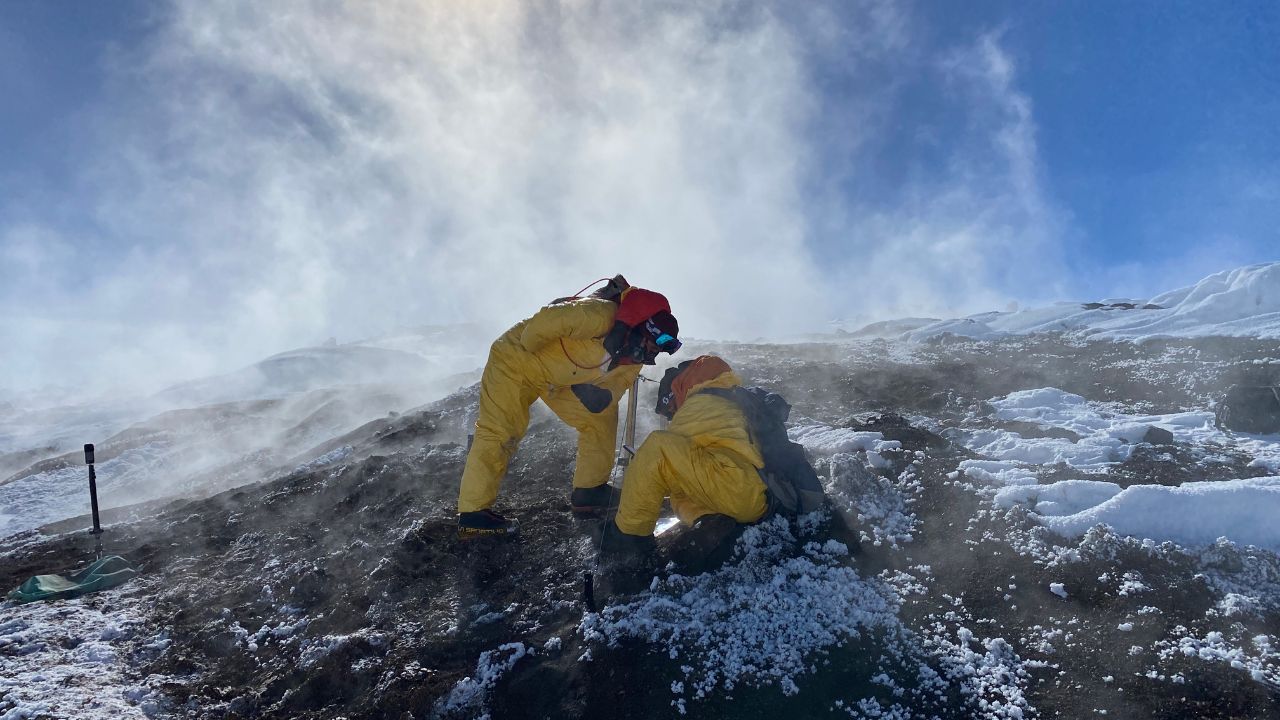
Stephen Noell: Microbial Wonders in the Antarctic Unknown
Stephen Noell '15 explores where few others have gone, discovering the wonders of God's creation in the microbial life on a volcano in Antarctica.
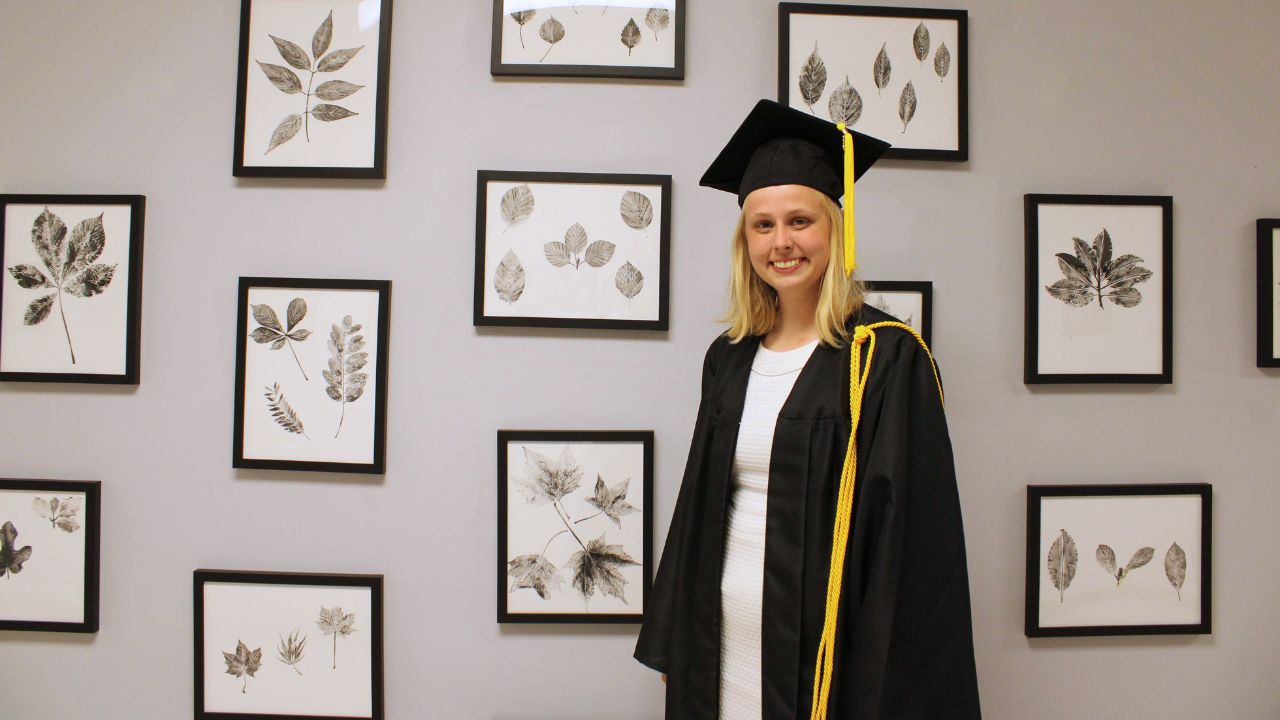
Abigail de Jong: Studying God's Artistry in Every Leaf
The studies of visual arts and environmental science collide in newly installed exhibit by Abigail de Jong '25 in S&E. The exhibit represents each species of tree found on Geneva's campus, crafted as collagraphs and photograms.
5 Popular Career Paths for Biology Grads
A biological science degree will take you on a journey to study the living world that’s all around and within us. Biology is one of the broadest majors you can choose because it encompasses many scientific disciplines, from the study of the very smallest molecules that make up life to the study of plants and animals.

5 Majors That Can Help Launch a Fun, High-Paying Career
As you consider your future career, you may be thinking that you want to find an option that not only pays well but is also fun. What jobs pay well but are fun? The answer depends on your major, but these are some excellent choices.

Making a Career Out of the Study of Life
Biology—the study of life—explores a wide range of topics. From the smallest microorganisms to the enormous blue whale, from plant life to insects to animals to humans, biology investigates every aspect of life on this planet. If you love science and the study of living things intrigues you, then a biology degree may be the ideal choice for you.

 Online Course Login
 myGeneva Student Portal

© Geneva College | All rights reserved