
The Power of Teamwork in the Classroom

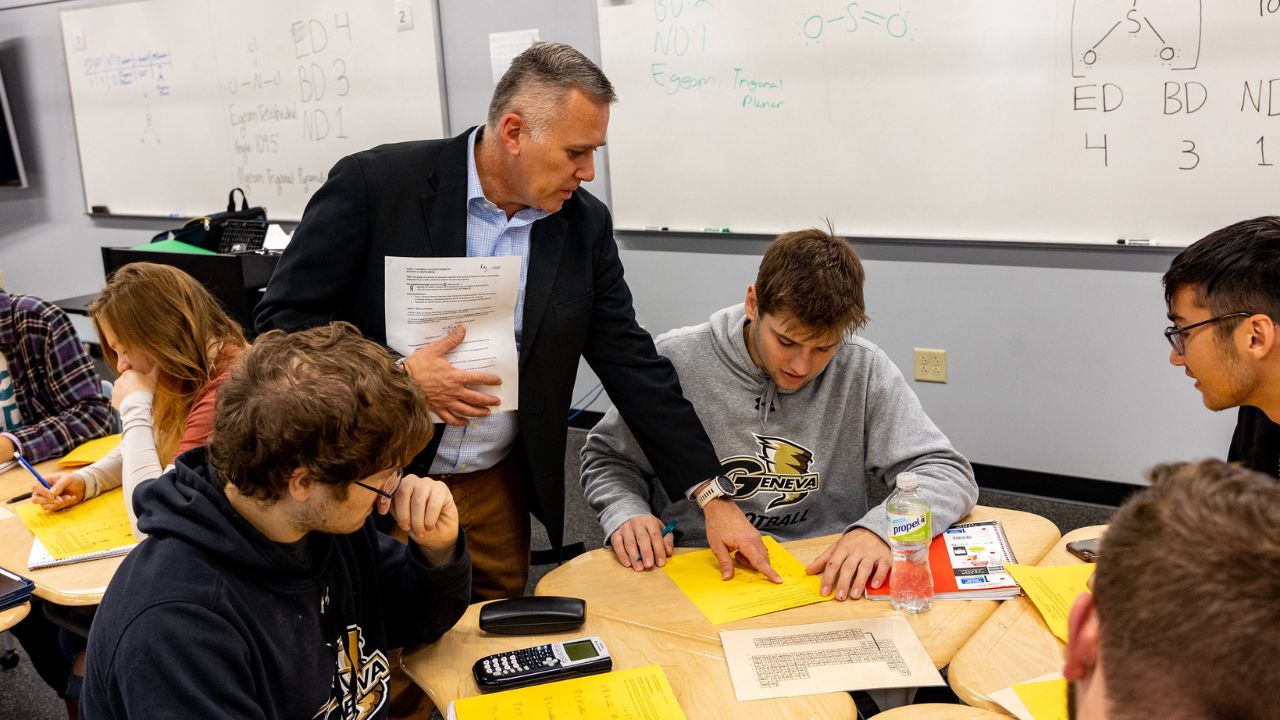
Students are often familiar with teamwork from sports teams. “Together, Everyone Achieves More” (TEAM) or “There is no “I” in TEAM” are slogans they know well from their coaches.
Another place some of my students know about teamwork is from their time in the military. I can relate. One of the lessons I took from serving in the Army was that you need to practice working in teams to be good at it. I remember spending an entire day performing fairly simple tasks as a squad to ensure we could do them perfectly in combat.
However, teamwork in the classroom is not as common, and students often talk about it in a negative way, such as “group work.” Common complaints are “I had to do all the work in my group” or “we couldn’t get along.”
But it doesn’t need to be that way. In my classroom, I aim to make it a positive experience.
First, I promote TEAMWORK, not group work. In teamwork, everyone is working together toward a common goal. There is a difference between “working IN a team” and “working AS a team.” We aim to work AS a team.
Second, to work as a team, everyone needs a role. In my teams, students will have a specific role, such as manager, spokesperson, or reader. The manager helps organize the team, the spokesperson gives oral answers, and the reader reads the questions on printed handouts.
The roles give each person a job in the team as they learn the material.
What this looks like in a typical classroom is that students are seated side-by-side-by-side in teams of three during class. Each team is tasked with completing an activity, which is printed out, and each student has a copy of the activity. The activity might focus on learning about force or determining protons and neutrons in an atom.
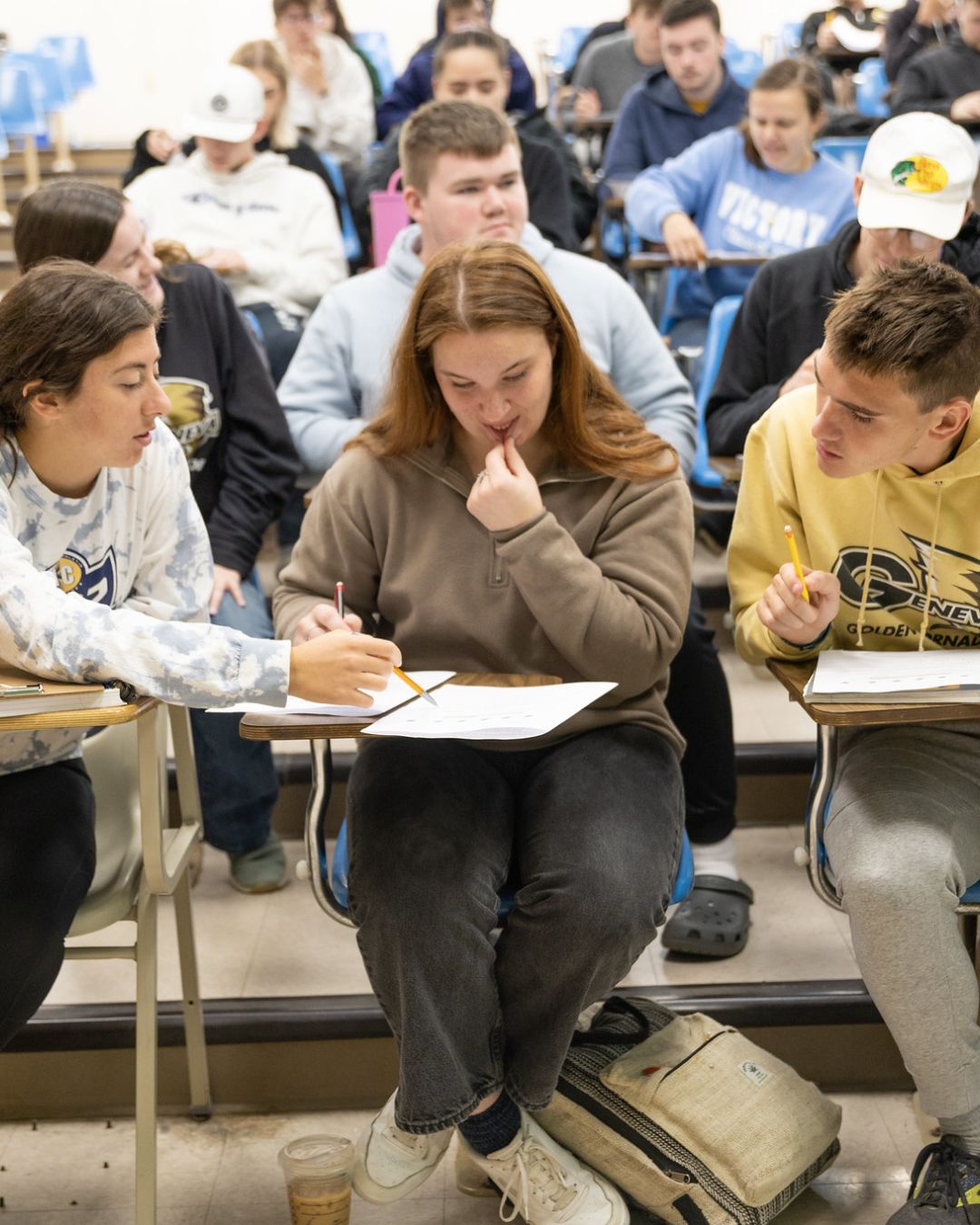
Students work through the activity cooperatively answering the questions, and it generally goes well. Many more students appreciate the teamwork than those who complain. My recent end-of-course evaluations had mainly positive comments. For instance, students mentioned that the exercises allowed them to talk about concepts, leading to better understanding. Other students indicated that explaining a scientific concept helped them to do better in class.
The evidence of students succeeding makes teamwork in the classroom a beneficial experience. For one, the research indicates that active work in teams does indeed make everyone do better. Males and females do better. So do those from various ethnic backgrounds and those with different preparation levels.
Lastly, in a couple of recent interviews, students pointed out that they got to know their classmates better due to teamwork, which helped them find study partners outside of class. This was a significant upside for them.
So, I find that teamwork helps in the classroom and provides groundwork for job preparation.
By Rodney Austin, Professor of Chemistry and Department Chair
Opinions expressed in the Geneva Blog are those of its contributors and do not necessarily represent the opinions or official position of the College. The Geneva Blog is a place for faculty and contributing writers to express points of view, academic insights, and contribute to national conversations to spark thought, conversation, and the pursuit of truth, in line with our philosophy as a Christian, liberal arts institution.
Apr 11, 2025