
Geneva's Alma Mater
Geneva's Alma Mater, sung to the tune of Annie of the Vale, has been the official campus song since 1897.- Home
- About Geneva
- Geneva's Alma Mater
Geneva College Alma Mater John Rogers Thomas, 1861 (Performed by The Genevans)
Verse 1
Come now to the campus, true sons of Geneva;
With one accord in song your voices raise.
Proclaim loud the glory, those walls old and hoary;
The college where I spent such happy days.
Chorus
Then come, Geneva's sons;
Ne'er let the proud chorus fail,
That tells in proud measure,
How fondly we treasure
Geneva, beside the Beaver vale.
Verse 2
If true sons are jewels, a mother adorning,
Resplendent Alma Mater's brow with light.
Her children, wide scattered, are ev'rywhere loyal
To Geneva, our country and the right.
Words by Professor James M. Coleman (1897)
Sung to the tune of 'Annie of the Vale' by J.R. Thomas (1861)
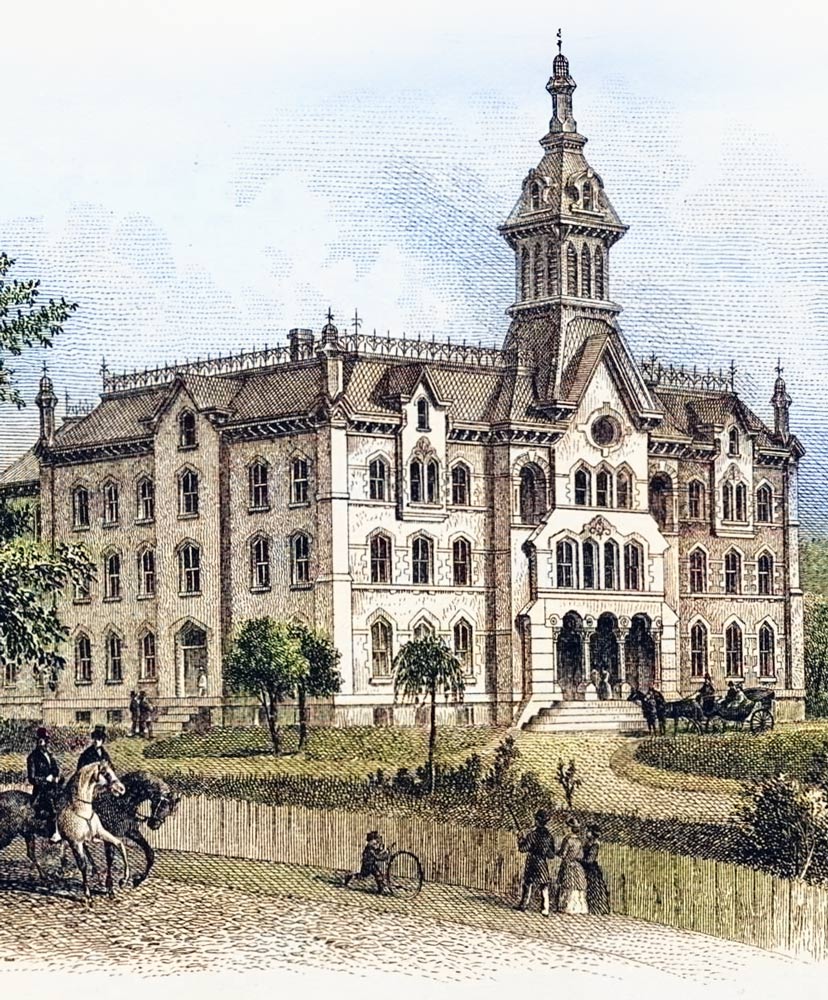
The History of our Alma Mater
What exactly is an alma mater? According to Professor Emeritus of Music, Dr. Robert M. Copeland, “Most colleges and universities have a song which praises the college and its people, buildings, or scenery.” Many of them use borrowed tunes—one of them is used by 35 colleges and universities!
For many years, a central part of social life at Geneva College revolved around two “literary societies”: the Adelphic and the Aletheorian. These met regularly for debates, orations, poetry readings and musical entertainments and engaged in friendly competition.
Here is the story of the Alma Mater as related by one of the students involved, Robert Clarke (Class of 1898, and Geneva administrator from 1909-1958): “In the year 1887 the Adelphic male chorus was organized . . . One night, as a part of the music program of the Adelphic Society they sang the ‘Campus Song.’
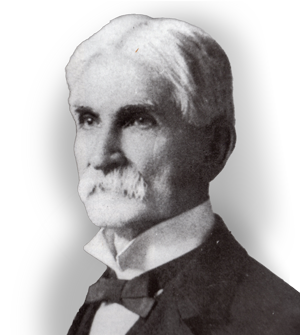
[President] Dr. [William Pollock] Johnston was present on that occasion and was so impressed with the song that he asked us to sing it at the Commencement exercises. We did so and the song seemed to take hold of all present in such a way that it became the favorite song of the Campus. From that beginning, it made its own way.”
The words of the song were written by Geneva’s political science professor, James M. Coleman, with music arranged by quartet members Robert Clarke and W.J. McBurney.
Dr. Copeland comments, “In more recent decades some people have become uncomfortable with the text [‘sons of Geneva’], which seems to mention only men and not women. However, women have been a vital part of Geneva College from its very beginning; there has never been a graduating class which did not include women. So naturally the minds of the Adelphic singers and their listeners would include both women and men poetically as ‘sons of Geneva.’”
Over the years, other songs have been written with the idea of replacing the 1897 alma mater. In 1948, Gertrude Martin Roher, well-known Pennsylvania musician and member of the Class of 1896, wrote “Geneva, Alma Mater” for the College Centennial celebration. In 1985, Geneva professors Norman Carson and Robert Copeland wrote, “Come, Geneva’s Children, All.” These songs did not attain to the same level of prominence as the original.
At one time, Geneva’s alma mater was known to virtually every alumnus and was heard at most on-campus athletic events, Genevans’ concerts, band performances, and Commencement. As of 2025-26, Dr. Joel Ward still teaches the alma mater to his COM 111 students, and members of The Genevans learn it for concerts performances and various alumni events. For many years, the band played the alma mater at every football game, and today its enthusiastic tune still fills the air at Reeves Field during the Homecoming game.
Psalm 117b, the “Chapel Psalm,” has also become a favorite campus song and is sung at many campus events, including Commencement. The gift of music helps us express the emotion of our life experiences and can greatly encourage us in the truth to which we hold so dearly. With songs like the alma mater and Psalm 117b, the Geneva community from all generations can celebrate its Christ-centered mission together and fondly treasure “the campus where we spent such happy days.”
Alma Mater Sheet Music
Dr. Joel Ward teaches the alma mater to his COM 111 students, and members of The Genevans learn it to perform for alumni events. Learn the music and let's revive this great campus song!
Annie of The Vale
“Annie of the Vale” is a popular 19th-century American sentimental song, with music by J.R. Thomas and lyrics by G.P. Morris, published around 1861. Known as a lilting love song often performed with solo and chorus, it appears frequently in historical sheet music collections as a nostalgic Civil War–era ballad centered on longing and affection, with a memorable refrain that begins, “Come, come, love, come.” This enduring melody is also historically significant to Geneva College, as it served as the musical source for the tune that became the Geneva College Alma Mater.
More Campus Songs
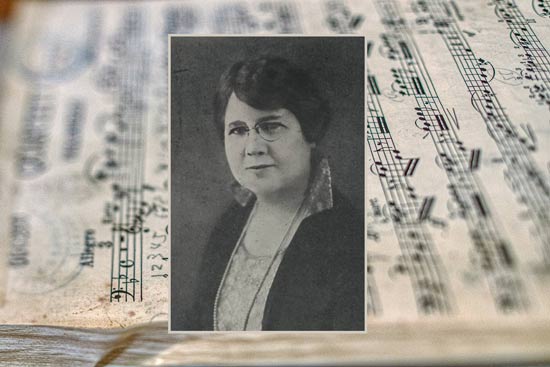
Gertrude M. Rohrer: A Geneva Musician
In 1948, Gertrude Martin Roher, well-known Pennsylvania musician and member of the Class of 1896, wrote “Geneva, Alma Mater” for the College Centennial celebration. Despite the majestic tune and fond words, the song did not catch on.
Read Gertrude's Story
Psalm 117b
In recent years, Psalm 117b has become a favorite theme in chapel and is sung at various events on campus, such as commencement. "Praise the Lord, all you nations! Extol him all you peoples! For great is his love toward us, and the faithfulness of the Lord endures forever."
New Song Sings Psalm 117b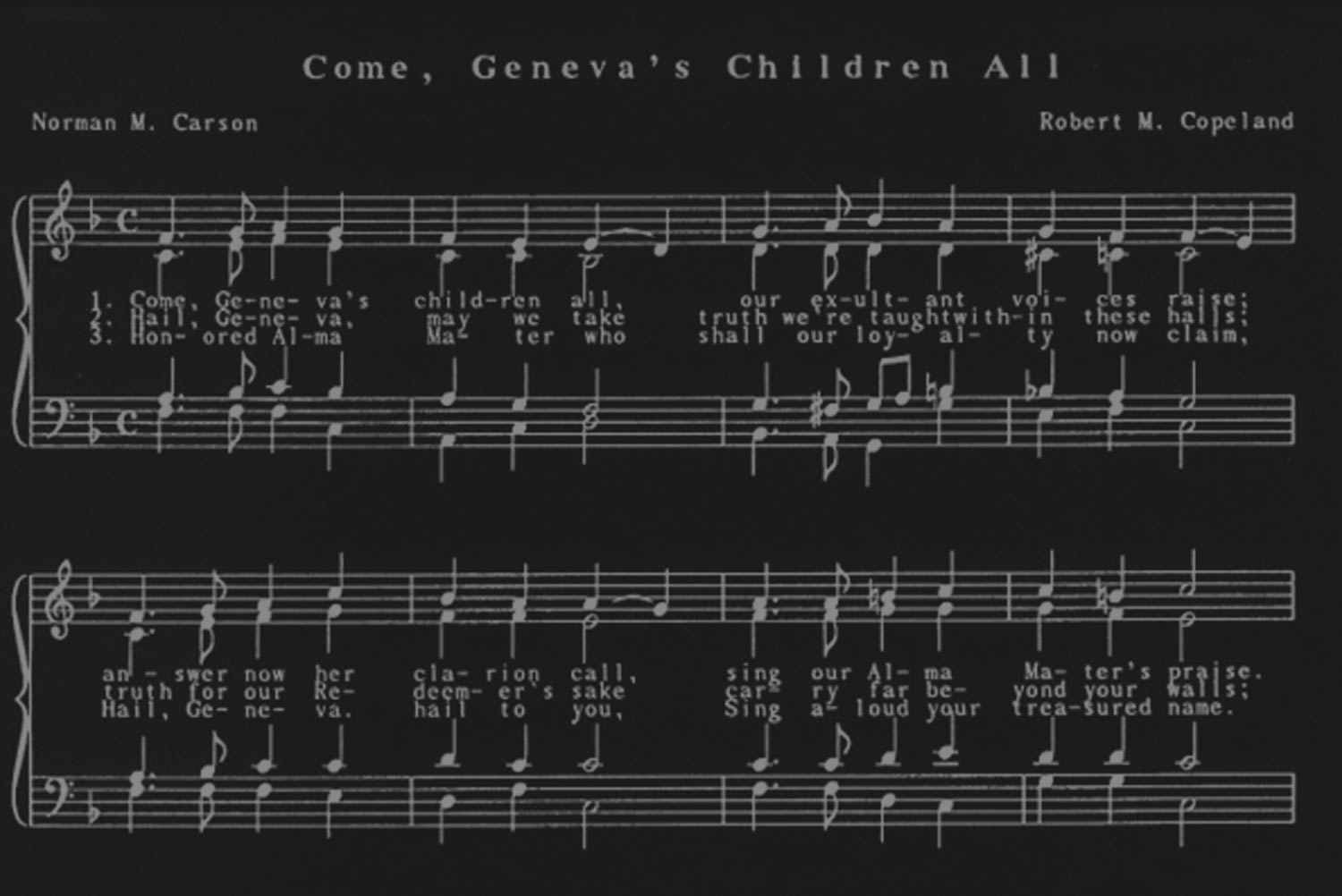
Come, Geneva’s Children, All
Over the years, other songs have been written with the idea of replacing the 1897 alma mater. In 1985, Geneva professors Norman Carson and Robert Copeland wrote, “Come, Geneva’s Children, All.” This song was sung once at commencement in 1993, but was unable to achieve status as the new alma mater.
View Musical Score (.pdf)
 Online Course Login
 myGeneva Student Portal

© Geneva College | All rights reserved