

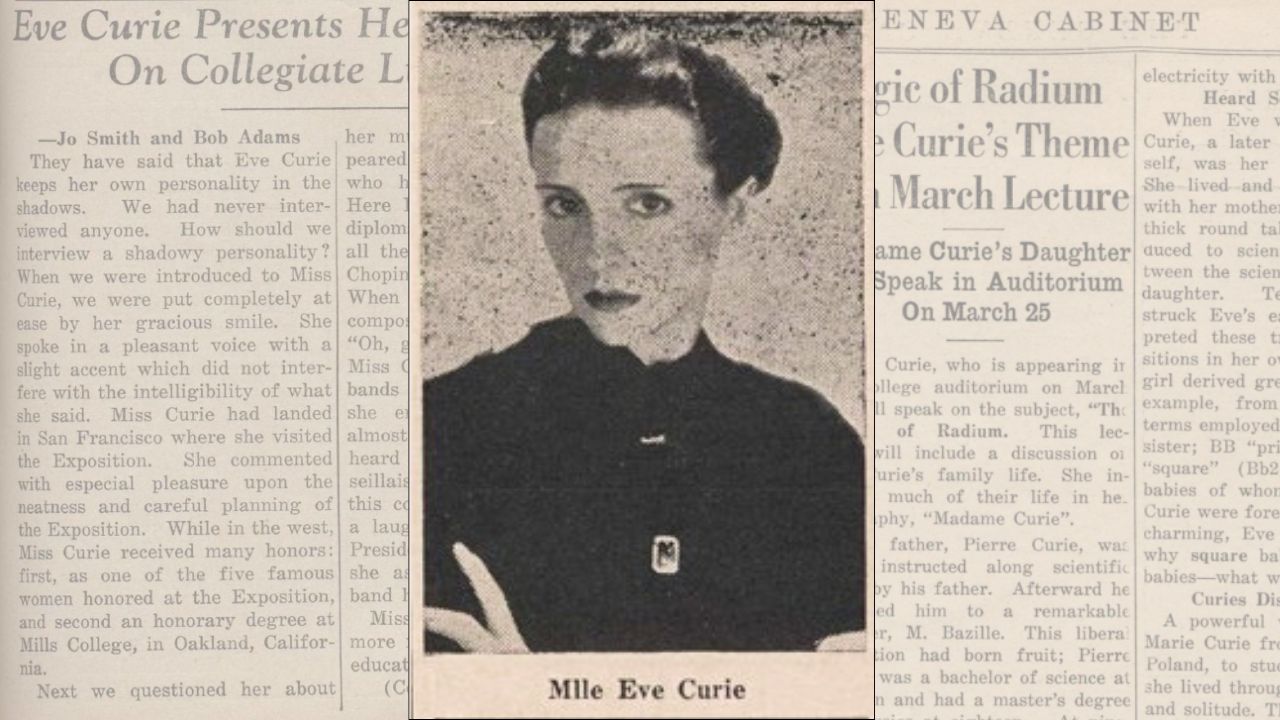
On March 25, 1939, Eve Curie spoke on Geneva’s campus, presenting “The Magic of Radium.” Eve Curie was the daughter of Marie and Pierre Curie, both physicists and chemists. Her mother, Marie Curie, was famous for discovering elements polonium and radium and was the first woman to win the Nobel Prize — as well as the first person to win a Nobel Prize twice.
Eve Curie was a musician, speaker, and writer who penned the biography of her famous mother. Visiting from France, her lecture tour was limited to relatively few cities throughout the US — and Beaver Falls, PA, earned a stop on her route. Eve was invited to Geneva’s campus by the Women’s Student Association (WSA) as part of the Famous Women Series.
Eve spoke in the College’s auditorium to a sold-out crowd of community members, college residents, and medical professionals. A 1939 issue of The Geneva Cabinet reported the WSA's decision to keep the event on College property despite the growing number of attendees. The article stated, “A number of seats has been sold to those who wish to sit on the platform. Many medical men of the valley and of Pittsburgh vicinity have written in for tickets, so eager are they to hear Miss Curie.” When Eve became aware of the seats on the platform, she exclaimed to student reporters with The Cabinet, ‘Oh dear ... I’ll be back conscious’ and “recalled the time when she had to deliver a speech with Queen Mary seated behind her at the right.”
The 1939 lecture included information on the Curies' family life, much of which Eve documented in the biography written about her mother, titled Madame Curie. Eve was born only a few years before her father’s death, and her childhood was spent listening to her mother and older sister, Irene, discuss scientific inquiries and discoveries. As an adult, Eve accompanied her mother on lecture tours until Marie Curie’s passing. These tours included a visit to the United States to “receive from President Harding the gram of radium for which the women of America raised $250,000” (The Cabinet).
Though Eve’s sister chose a lifetime of scientific study, following the footsteps of their parents, Eve studied music in France. She performed concerts and later “devoted herself to musical criticism [sic]” (The Cabinet).
Student journalists at The Geneva Cabinet interviewed Eve during her campus visit, writing, “When we were introduced to Miss Curie, we were put completely at ease by her gracious smile. She spoke in a pleasant voice with a slight accent...” Eve shared her views of American colleges with the student reporters, stating “She felt that the American students had a better chance to make contacts with the outside world.” She expressed an appreciation for the “American plan” that allowed girls to live in dormitories on campus “because it encouraged a sense of independence and self-reliance in young people.” Additionally, she felt that “because they are introduced to leadership and organization in the colleges, the young women later [became] more efficient in the world as a part of the social scheme.”
Eve Curie’s visit to Geneva’s campus was made possible through the many female students and faculty members who supported the WSA and championed excellence in thought leadership and study.
Historical information sourced by Kae H. Kirkwood '83, Geneva College Archival Librarian.
Header image: Eve Curie in a 1939 issue of The Geneva Cabinet.
Opinions expressed in the Geneva Blog are those of its contributors and do not necessarily represent the opinions or official position of the College. The Geneva Blog is a place for faculty and contributing writers to express points of view, academic insights, and contribute to national conversations to spark thought, conversation, and the pursuit of truth, in line with our philosophy as a Christian, liberal arts institution.
Mar 10, 2026College ArchivesRelated Blog Posts
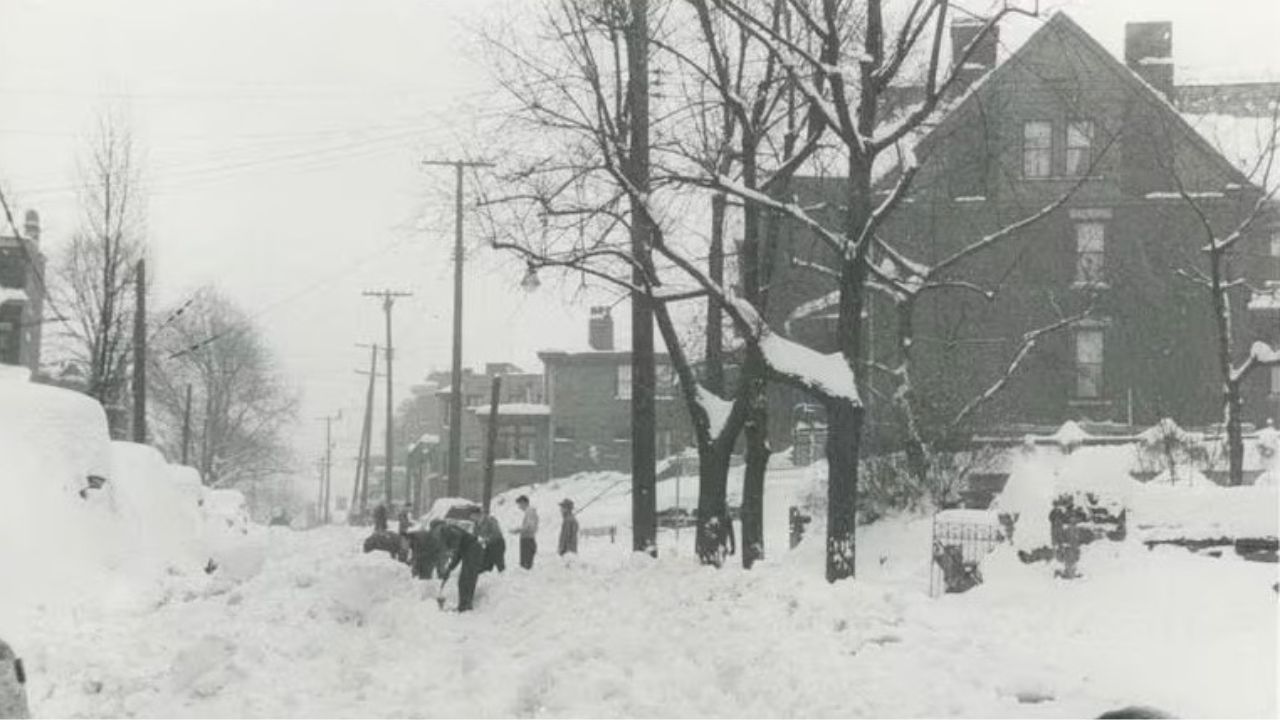
Western Pennsylvania’s “Big Snow of 1950”
In November 1950, nearly three feet of snow fell on Geneva’s campus, shutting down the college and extending Thanksgiving break.
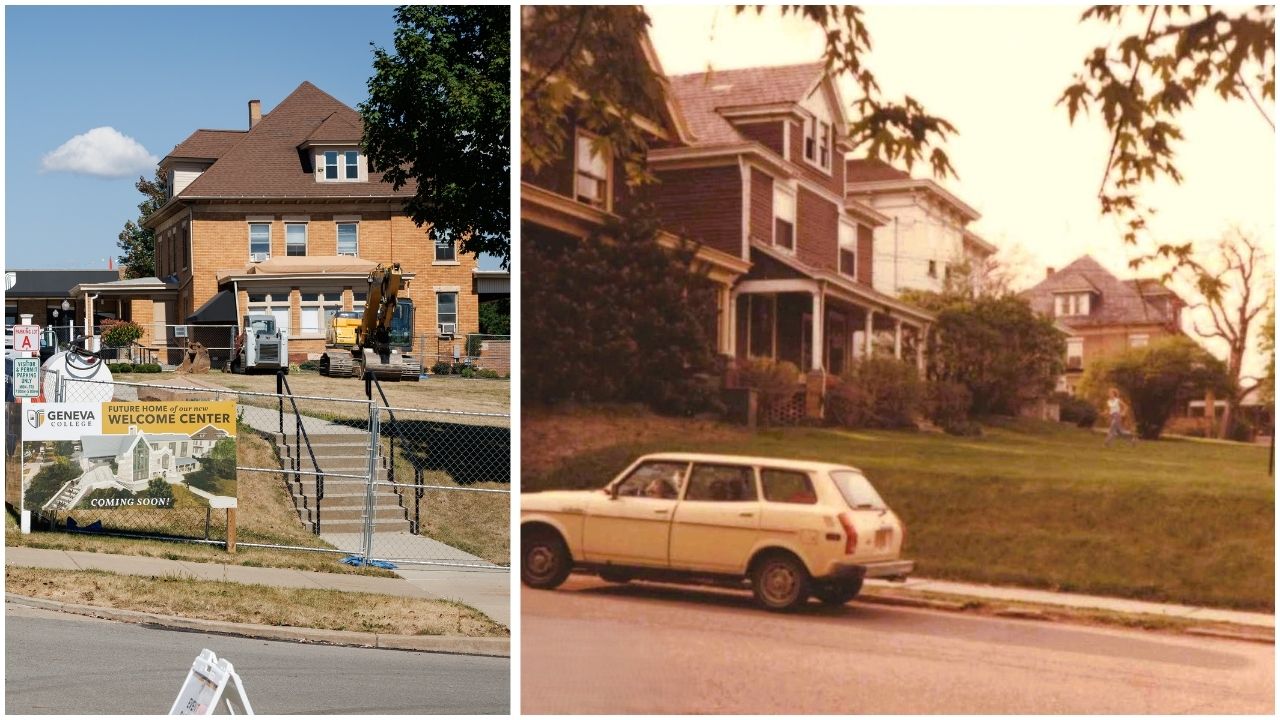
Before the Welcome Center: The George-Wylie House
Ever wonder what used to be on the lawn next to Alumni Hall, the site under construction to become the Dwight E. Wagner Welcome Center?
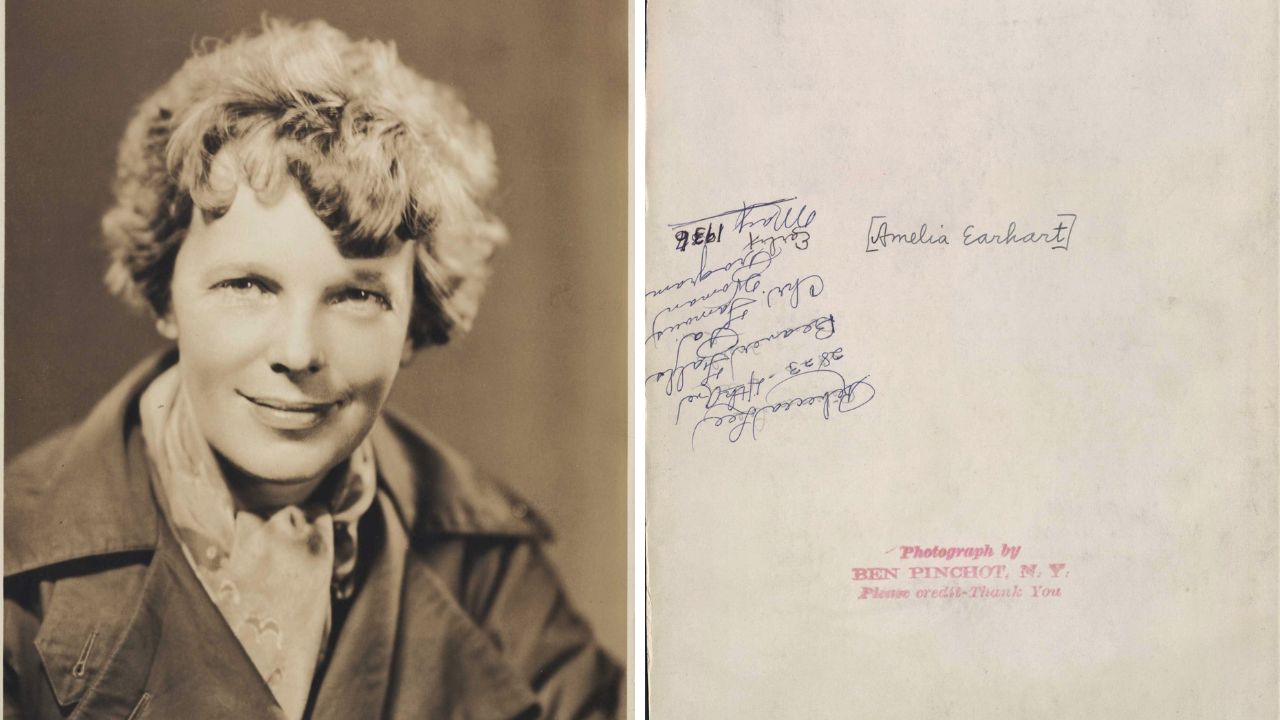
Amelia Earhart on Geneva's Campus
"Miss Earhart made the listener feel, too, the joy of seeing a steamer at dawn, and of knowing that she was on the exact course. The thrill of seeing land and all the people assembled there to greet her were the listener’s experiences as she described them...”
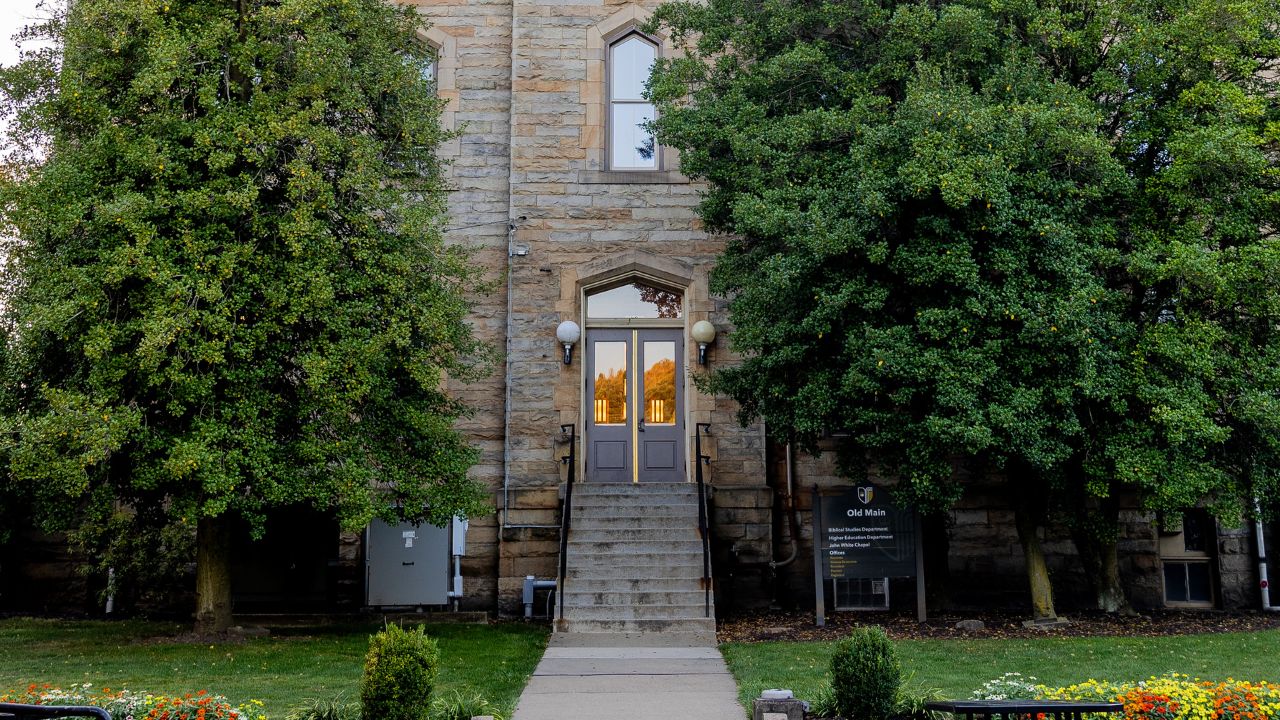
A Brief History of Old Main’s Stairs and Doors
Did you know there used to be a six-foot gap in John White Chapel's stage? Or that the Old Main door facing towards the Student Center had no outdoor stairs for its first 65 years?
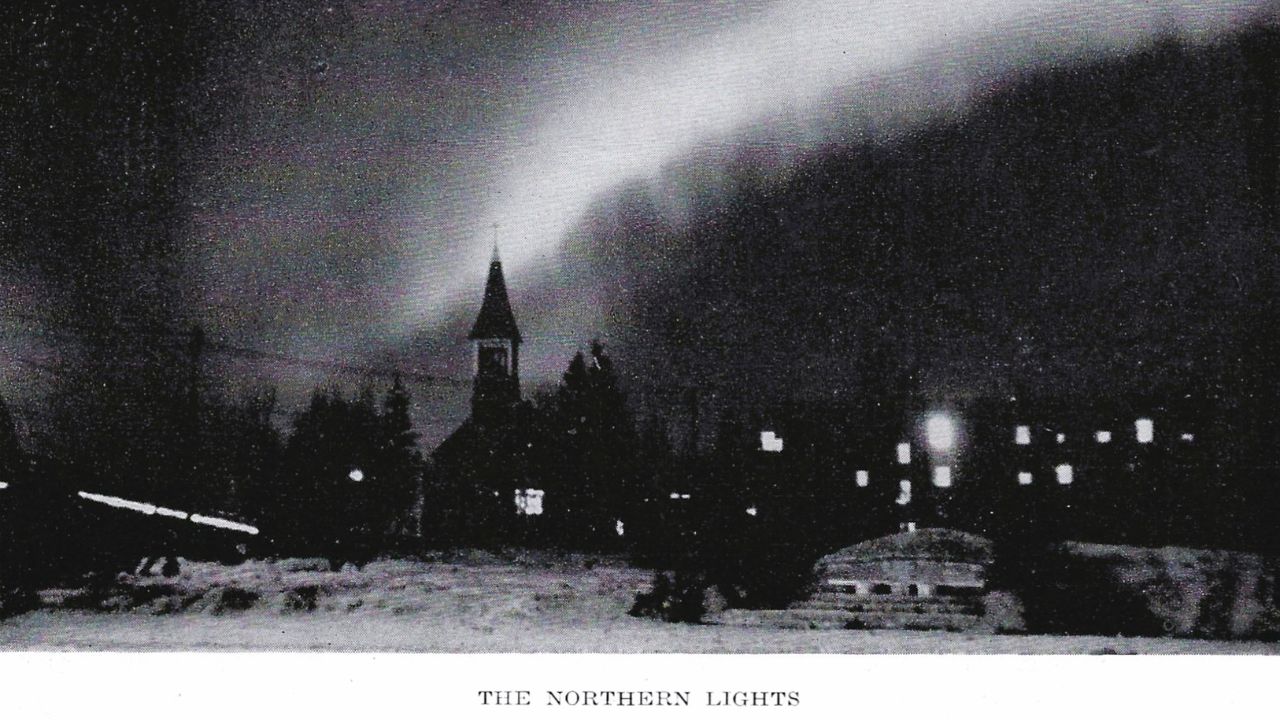
Geneva's History in Astronomy
Did you know that over 132 years before the College erected the John Paul Schaefer Memorial Observatory at the 33rd Street field (2013), Geneva students were fascinated by the subject of astronomy?
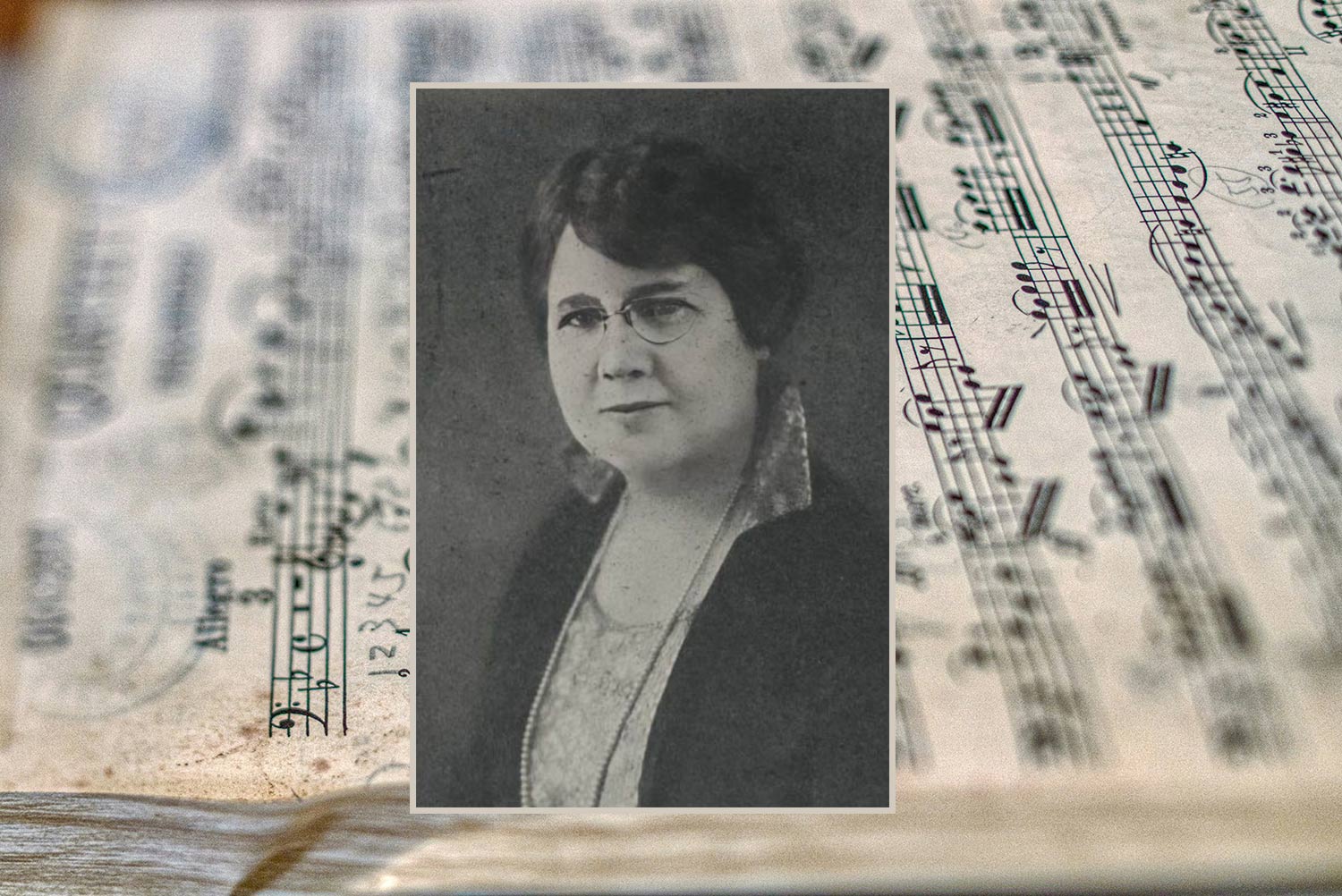
Gertrude M. Rohrer: A Geneva Musician
Discover the story of Gertrude M. Rohrer (class of 1896), a Geneva alumna who became a prolific composer and leader in Pittsburgh’s music community — proof of how dedication in the “spare hours” can shape a legacy.
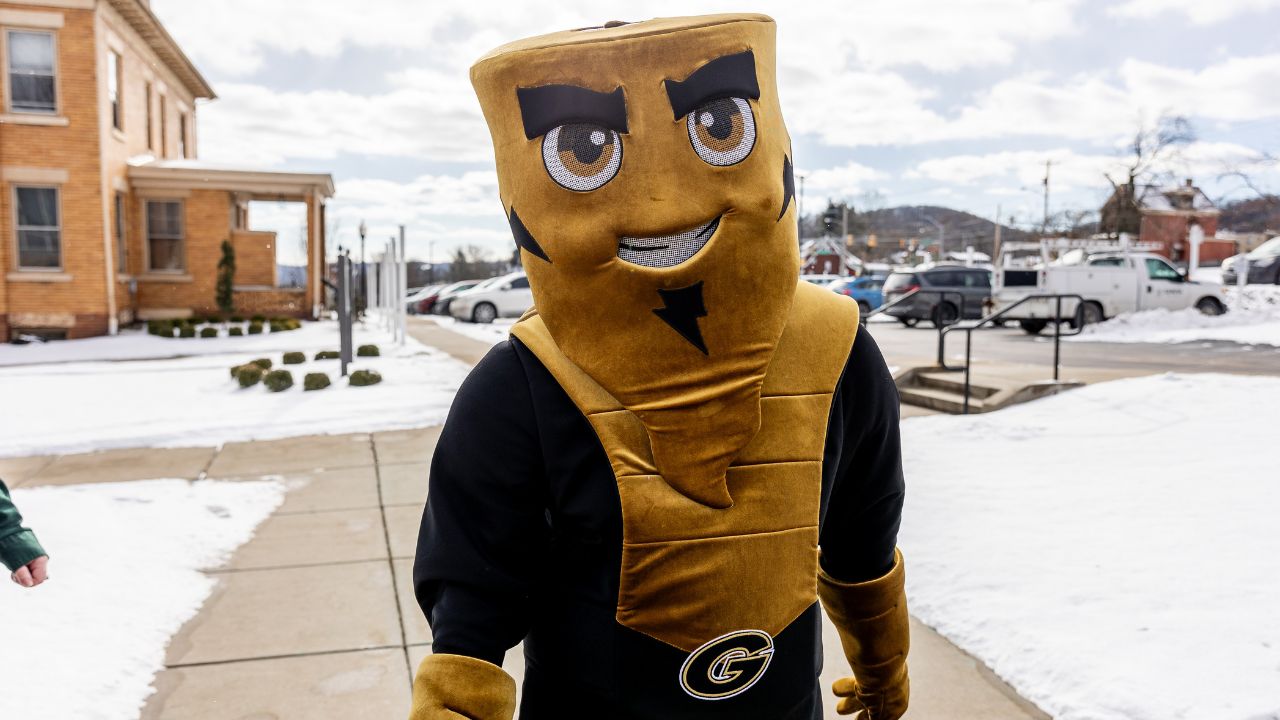
Turbo’s Twists: The Wild History of Geneva’s Mascots
We love Turbo at Geneva College! But our beloved Golden Tornado hasn’t always been the friendly-yet-fierce action-figure mascot he is today...
The Geneva Identity
We can learn much from those who came before us. In 1923, President of Geneva College Archibald A. Johnston wrote a forward for the college yearbook highlighting the history, purpose, and doctrine of Geneva. Only 75 years from the founding of the college at Northwood, Ohio, Johnston had a clear understanding of not only the how behind Geneva’s establishment but the why.
Meet Kae Kirkwood Geneva's Archival Librarian
Our God puts great importance on valuing the history of His work through the ages. For example, if I could sum up the Old Testament in one word, it would be “Remember!”
Request Information
Learn more about Geneva College.
Have questions? Call us at 724-847-6505.

 Online Course Login
 myGeneva Student Portal

© Geneva College | All rights reserved