

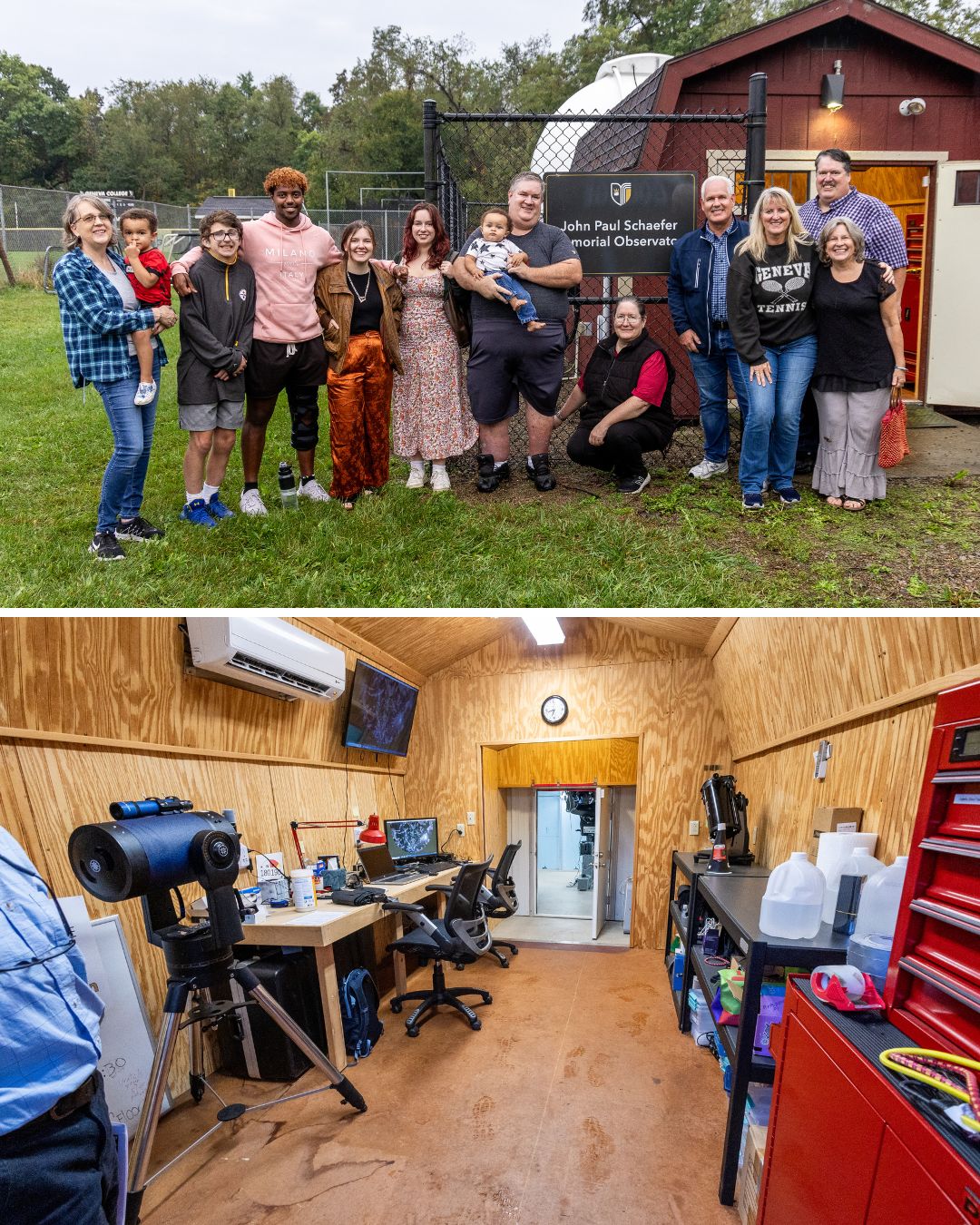
Did you know that over 132 years before the College erected the John Paul Schaefer Memorial Observatory at the 33rd Street field (2013), Geneva students were fascinated by the subject of astronomy?
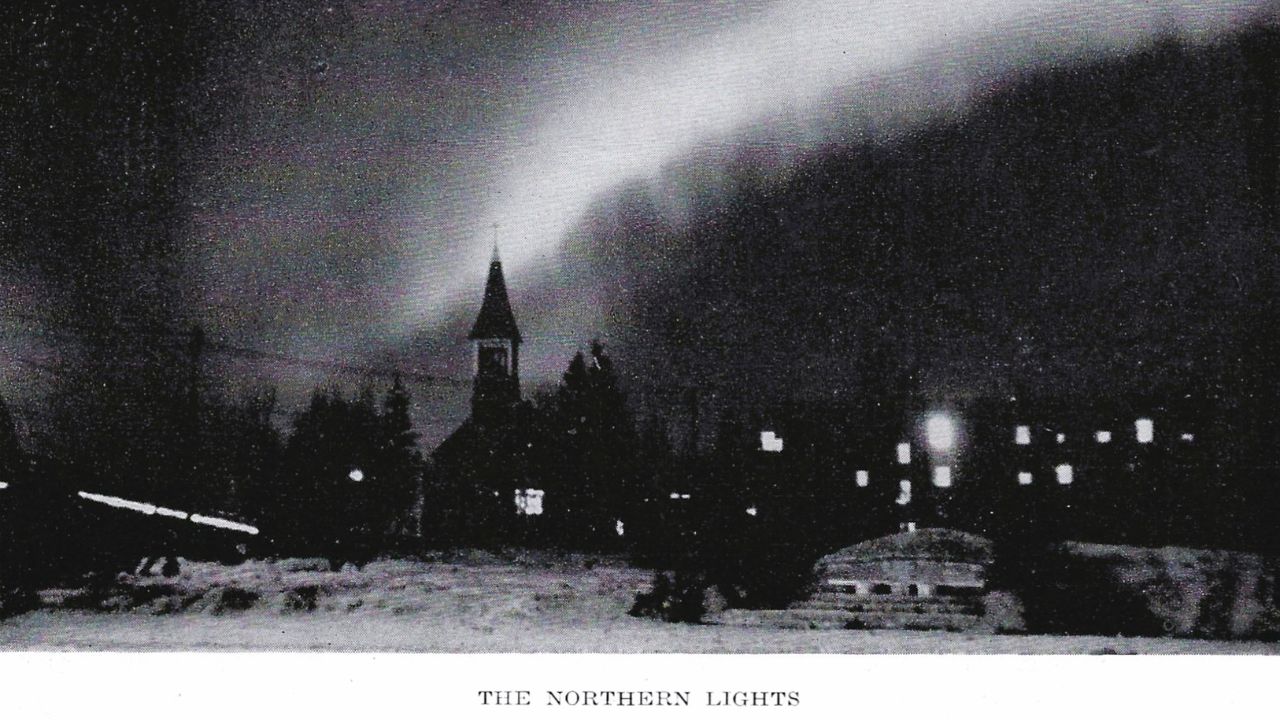
In November 1881, The Cabinet implored the College to procure a telescope to meet the needs of the large class studying astronomy. On a clear night the following April, Professor Thompson took the astronomy class up the narrow steps in the attic to the cupola of Old Main. From there they descended a short ladder to the roof of the building to view the planetary system. Some of the ladies of the class — wearing long dresses and high-topped, lace-up boots — climbed onto the roof ventilators in order to hear better. That same month, The Cabinet reported the Northern Lights appearing over campus, filling the entire sky, beginning at 9:00 p.m. and lasting until sunrise (as pictured in the header image above).
At some point the star-gazing students got their telescope, but it was lost in the fire that destroyed the Science Hall on August 10, 1912, leaving the astronomy students seriously crippled in their work. In 1915, an anonymous donor provided the College with a very high-quality Brashear telescope — a great improvement over the one that was lost. Talk followed of the building of an observatory in the near future, and at some point that observatory was located behind Alumni Hall (razed in 2007). At various times over the decades, the College telescope was sent out for repairs, and in 1954, glass sent from Germany was ground and polished to replace a cracked lens.
In the 1950s, a very active Astronomy Club, under the direction of math professor Dr. William Cleland, brought well-known speakers to campus to present talks on astronomy, and took frequent field trips to Pittsburgh’s Buhl Planetarium and other locations for sky viewing. In 1979, to promote the last solar eclipse to be visible in North America in the 20th century, the Astronomy Club sponsored “Solar Eclipse Day” on February 26. Plans for the day included various activities, including telescopic, shadow box, and protective filter observations; eclipse watching safety talks and pamphlets; and an eclipse lecture given by club advisor John B. Schaefer. Sadly, the day turned out to be cloudy, so the actual observation was canceled.
When we observed the solar eclipse that passed over North America on April 8, 2024, I hope we remembered the many generations of sky-gazing Genevans who came before us!
This article originally appeared in The Cabinet, March 2, 2024.
Opinions expressed in the Geneva Blog are those of its contributors and do not necessarily represent the opinions or official position of the College. The Geneva Blog is a place for faculty and contributing writers to express points of view, academic insights, and contribute to national conversations to spark thought, conversation, and the pursuit of truth, in line with our philosophy as a Christian, liberal arts institution.
Oct 14, 2025College ArchivesRelated Blog Posts
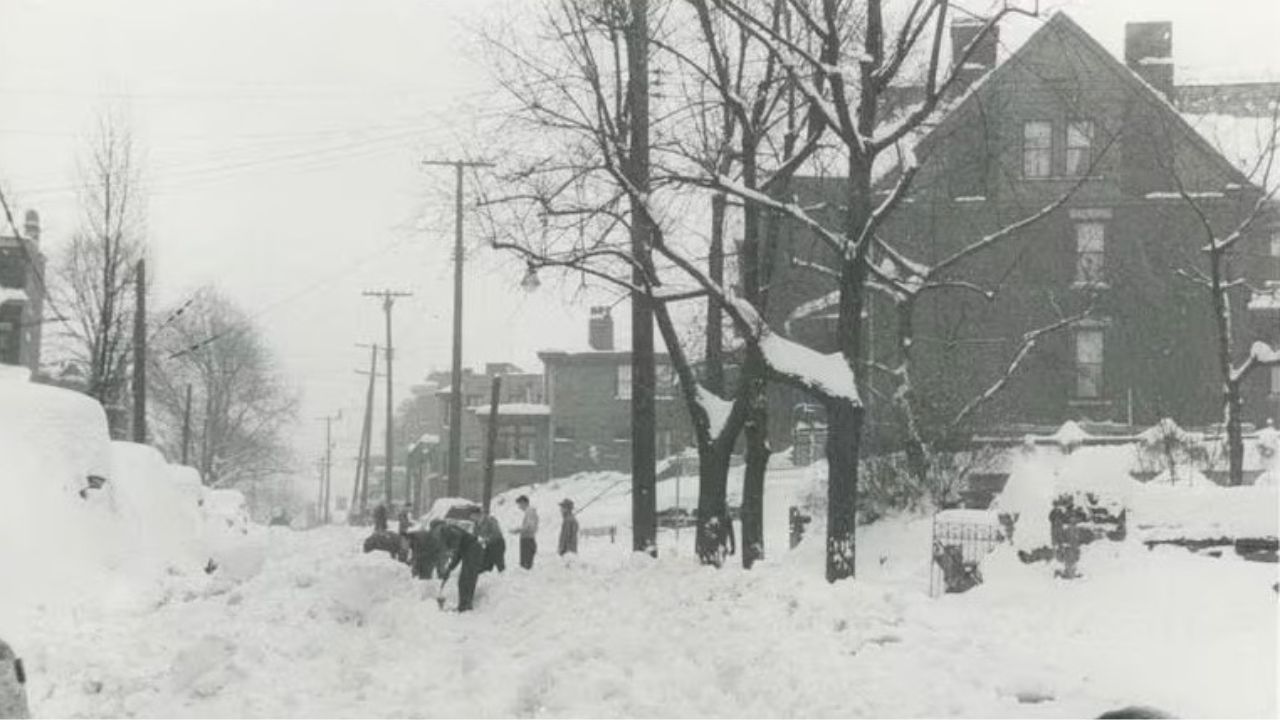
Western Pennsylvania’s “Big Snow of 1950”
In November 1950, nearly three feet of snow fell on Geneva’s campus, shutting down the college and extending Thanksgiving break.
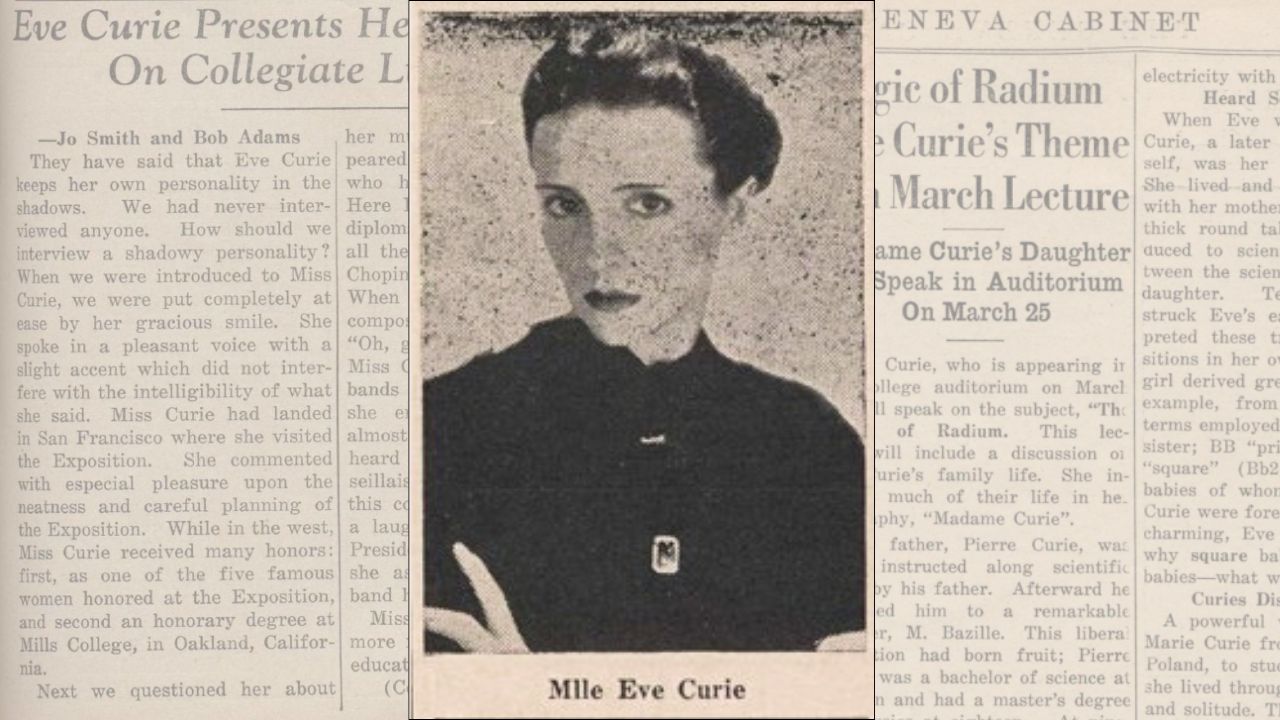
A Visit From Eve Curie: The Magic of Radium
In March 1939, Marie Curie's daughter Eve visited Geneva's campus to speak on "The Magic of Radium." Student journalists at The Geneva Cabinet had the privilege of interviewing Eve during her campus visit, reporting on her views of American colleges.
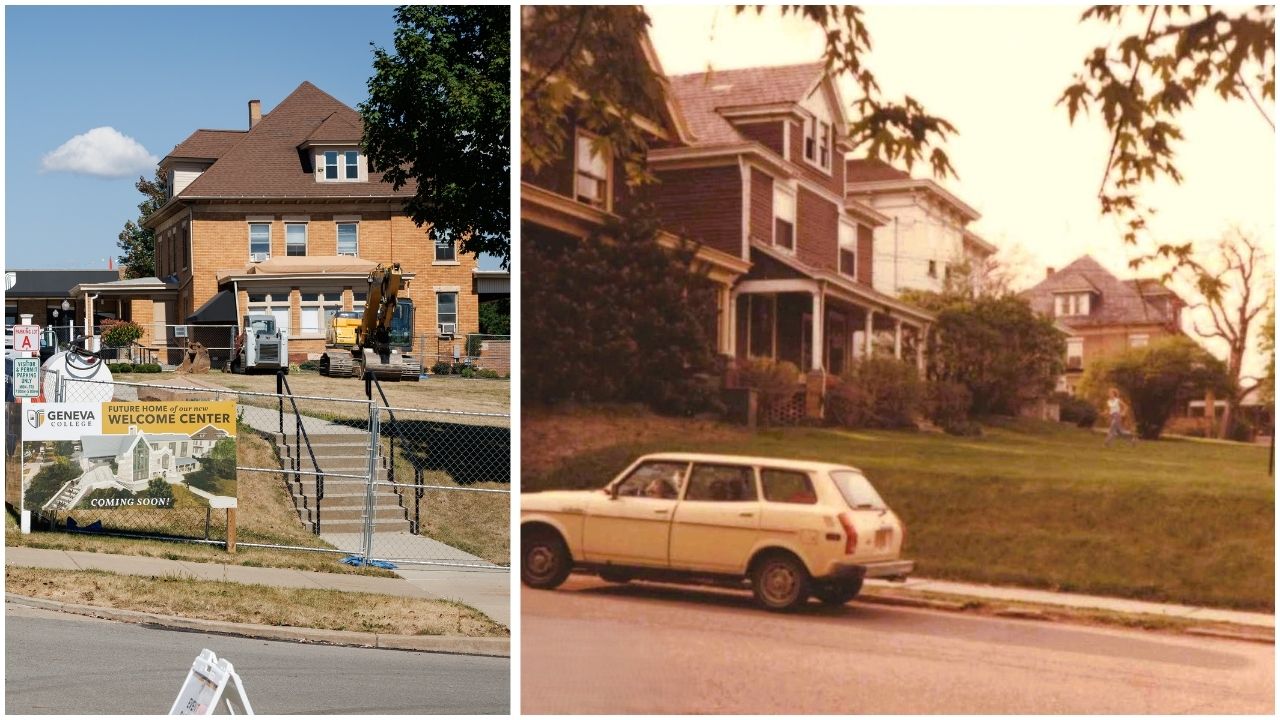
Before the Welcome Center: The George-Wylie House
Ever wonder what used to be on the lawn next to Alumni Hall, the site under construction to become the Dwight E. Wagner Welcome Center?
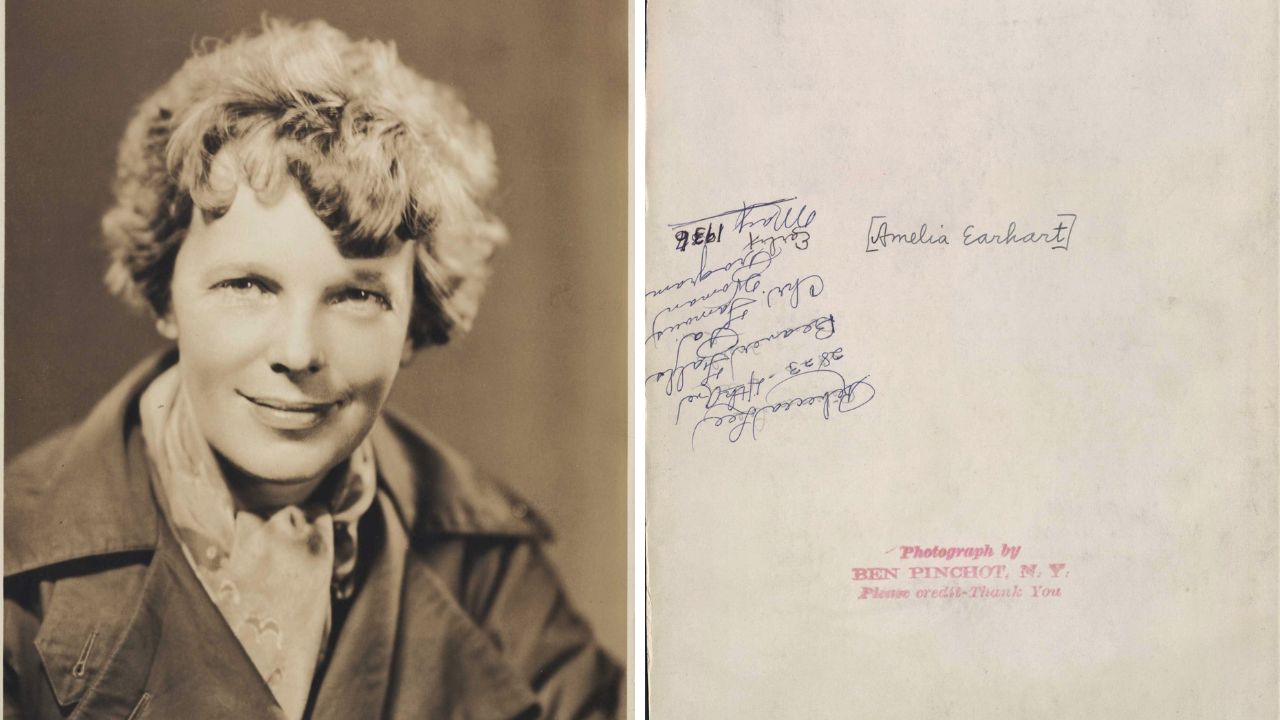
Amelia Earhart on Geneva's Campus
"Miss Earhart made the listener feel, too, the joy of seeing a steamer at dawn, and of knowing that she was on the exact course. The thrill of seeing land and all the people assembled there to greet her were the listener’s experiences as she described them...”
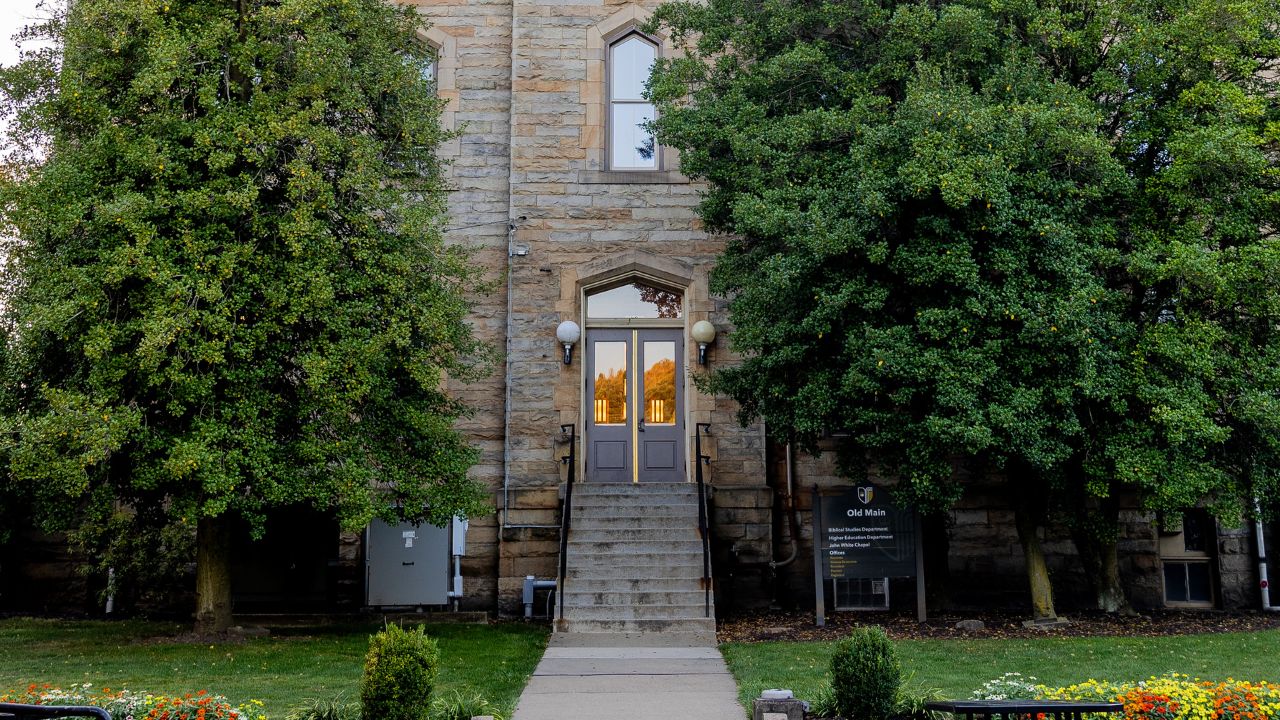
A Brief History of Old Main’s Stairs and Doors
Did you know there used to be a six-foot gap in John White Chapel's stage? Or that the Old Main door facing towards the Student Center had no outdoor stairs for its first 65 years?
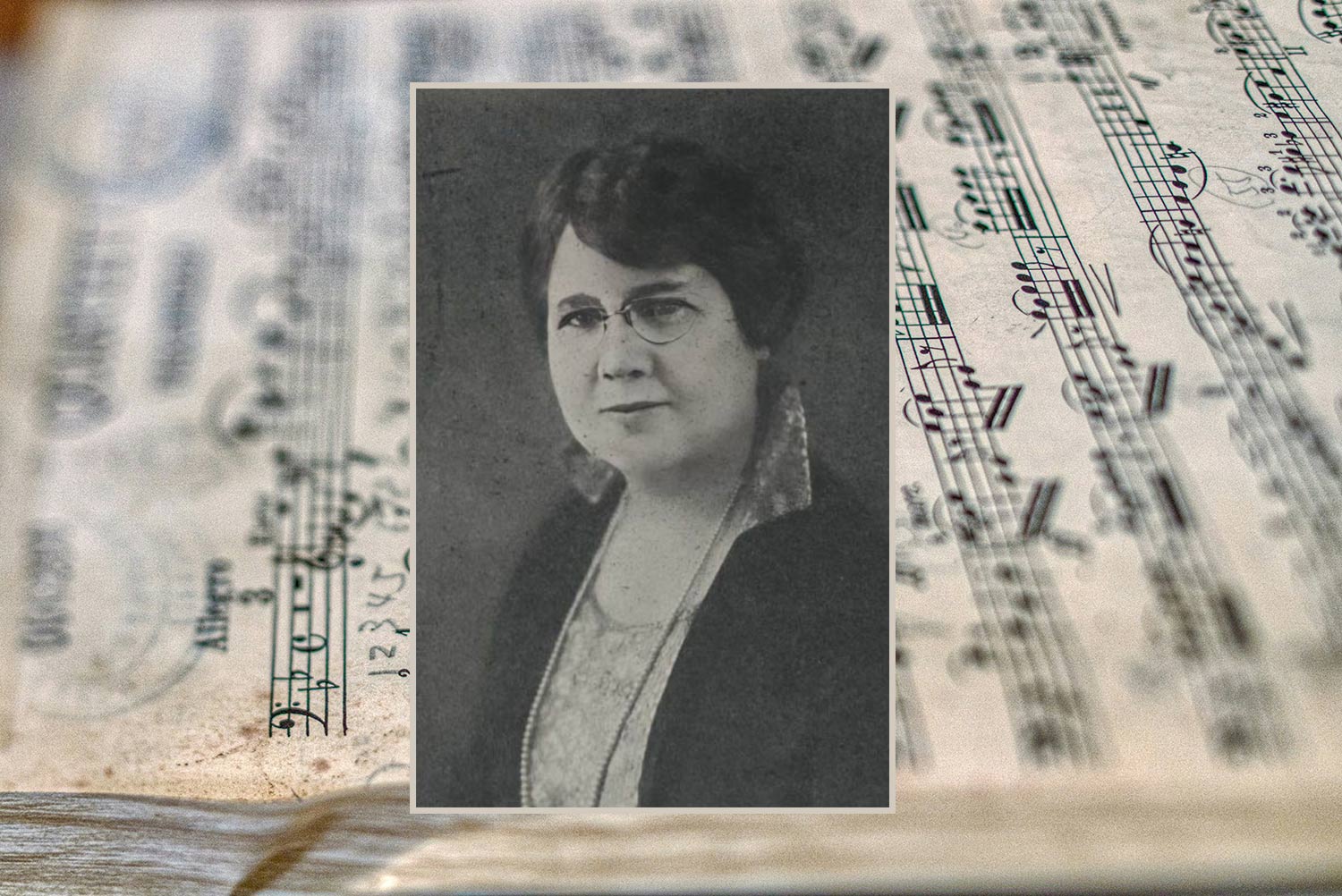
Gertrude M. Rohrer: A Geneva Musician
Discover the story of Gertrude M. Rohrer (class of 1896), a Geneva alumna who became a prolific composer and leader in Pittsburgh’s music community — proof of how dedication in the “spare hours” can shape a legacy.
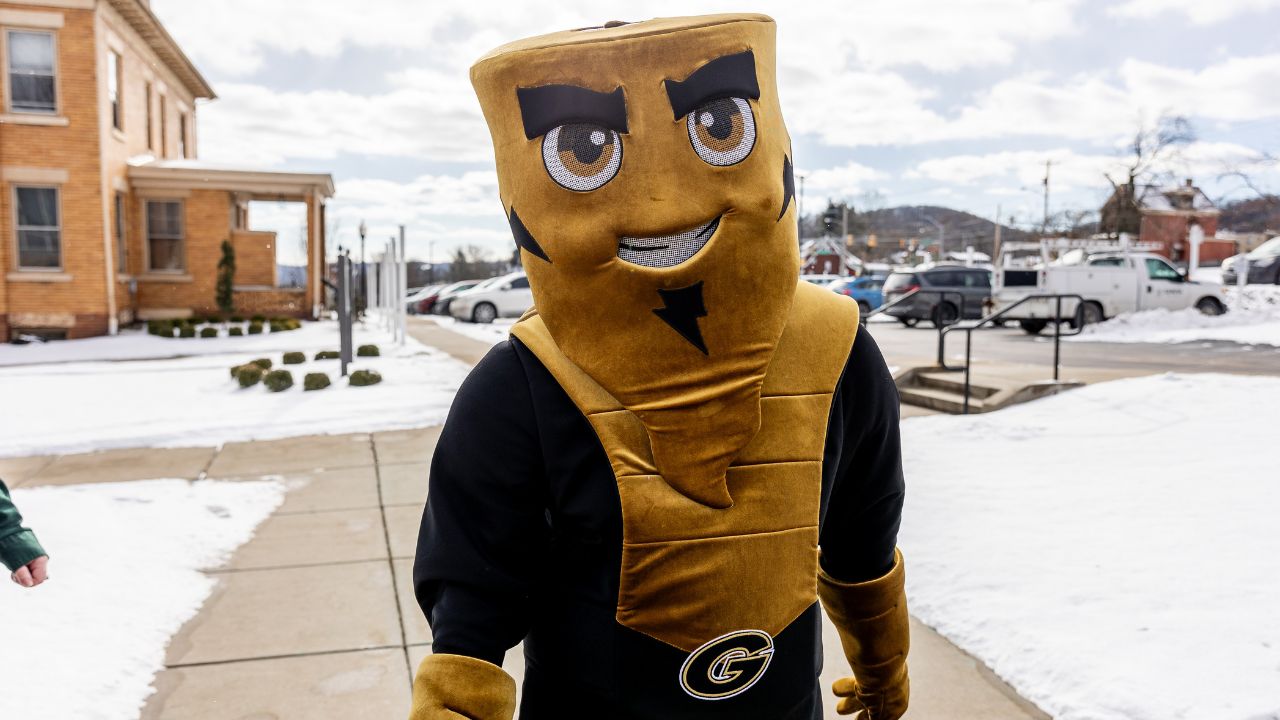
Turbo’s Twists: The Wild History of Geneva’s Mascots
We love Turbo at Geneva College! But our beloved Golden Tornado hasn’t always been the friendly-yet-fierce action-figure mascot he is today...
The Geneva Identity
We can learn much from those who came before us. In 1923, President of Geneva College Archibald A. Johnston wrote a forward for the college yearbook highlighting the history, purpose, and doctrine of Geneva. Only 75 years from the founding of the college at Northwood, Ohio, Johnston had a clear understanding of not only the how behind Geneva’s establishment but the why.
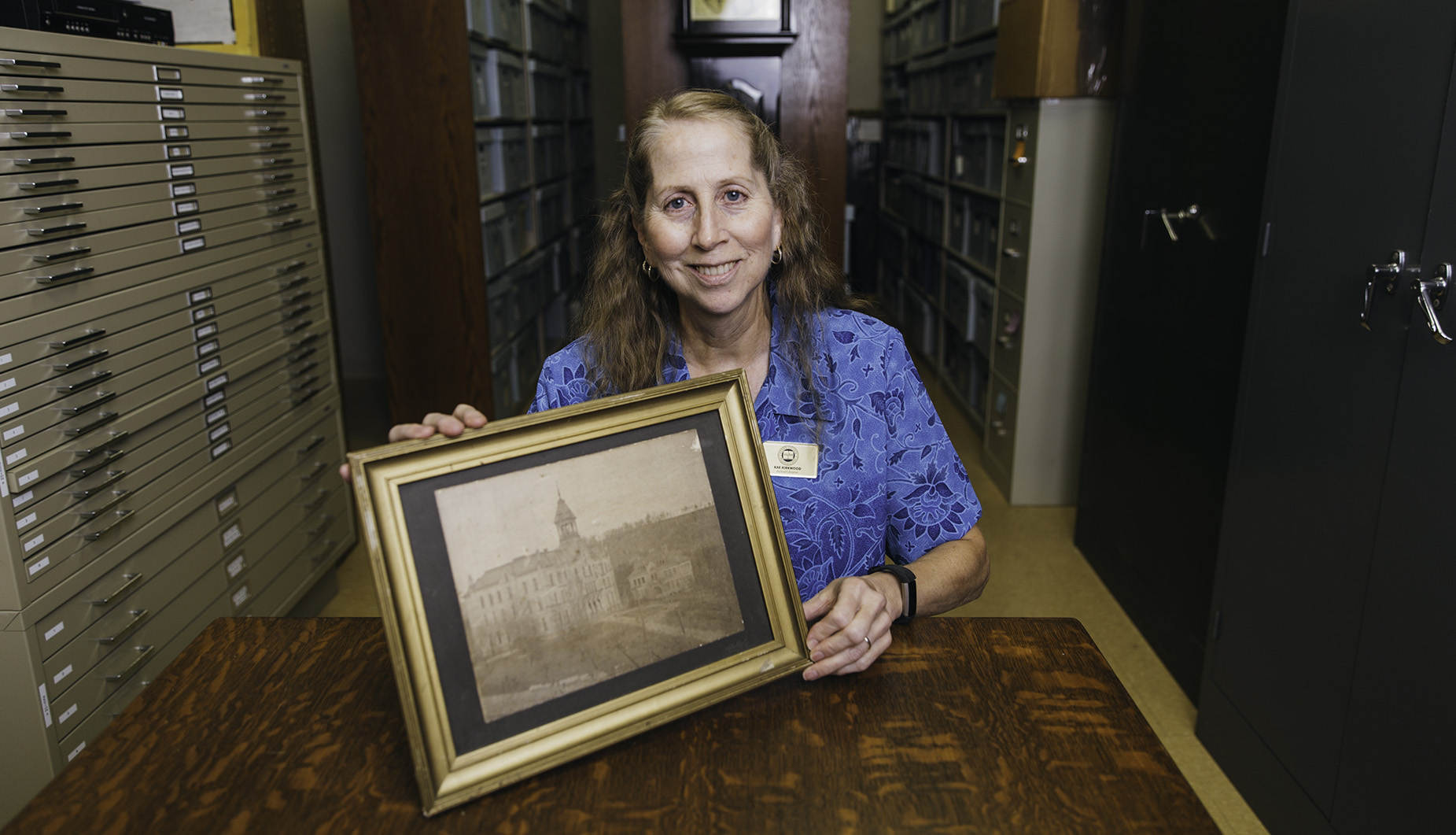
Meet Kae Kirkwood Geneva's Archival Librarian
Our God puts great importance on valuing the history of His work through the ages. For example, if I could sum up the Old Testament in one word, it would be “Remember!”
Request Information
Learn more about Geneva College.
Have questions? Call us at 724-847-6505.

 Online Course Login
 myGeneva Student Portal

© Geneva College | All rights reserved