


If you’re not already having daily Bible time, college would be a great time to begin a habit of daily time with the Lord. In Deuteronomy 17, an Israelite king is required to “write for himself in a book a copy of this law ... and he shall read in it all the days of his life, that he may learn to fear the Lord his God” (17:18-19). Numerous Scripture verses reveal the life-giving quality of God’s word. Scripture “builds us up” (Acts 20:32) and helps us to “grow up into salvation” (1 Pet. 2:2). God works our sanctification over our whole lives, and one of the ways He does this is through our reading of Scripture. Another means of grace is prayer, which brings us closer to God as we commune with Him. If God has been so good to give us these means of grace, why shouldn’t we gladly use them?
1. Make a plan.
Choose a book of the Bible or a Bible reading plan and stick to it. Jumping around in Scripture is not wrong, but keeping to a plan will eliminate the need to make a decision every day. Sometimes the hardest part is deciding WHAT you’re going to read, so if that’s already taken care of, then you can enhance your time by focusing on more fruitful matters.
2. Remember that it’s not a formula.
There is not one correct way to have your Bible time. Some days you will read just a few verses, on others you may read several chapters. Some seasons you will have lots of time to read while other times you might just have a few minutes each day. If you’re starting out, don’t set too high a standard — a few verses and a few minutes praying will suffice. Likely, as Bible time becomes a habit, you will naturally spend more and more time reading and praying, but don’t overwhelm yourself all at once. Take time to learn to delight in this time with the Lord.
3. Make it a habit.
Habits are best formed in conjunction with an already-formed habit. Do you have a morning routine? Add your devotions time to your before-class routine. The same goes for the evening. Could you fit in time for devotions just before bed? The main priority is making sure that devotions become a regular priority and are not shoved aside, whether you do them in the morning, the evening, or some free hour during your day.
4. Remember to persevere.
You’re not always going to feel like spending time reading and praying. Sometimes it will feel like a delight, but other times will feel more like a chore. In Ephesians, Paul recognizes this when he says: “Keep alert with all perseverance, making supplication for all the saints” (6:18). Perseverance is required to faithfully continue seeking God. The good news is that he enables us to seek him. We are not left on our own. So let us press on to know the Lord!
Opinions expressed in the Geneva Blog are those of its contributors and do not necessarily represent the opinions or official position of the College. The Geneva Blog is a place for faculty and contributing writers to express points of view, academic insights, and contribute to national conversations to spark thought, conversation, and the pursuit of truth, in line with our philosophy as a Christian, liberal arts institution.
Dec 16, 2025FaithRelated Blog Posts

Friendship Rooted in the Good
What does it mean to be a true friend? What is hospitality? Jim Spiegel, PhD, executive director of Geneva's Center for Faith & Life, explores these questions with a little help from Aristotle.

A Seat at the (Cellular) Table
"My faith in Christ then establishes a foundation for inviting broader conversations involving other disciplines into my biology classroom," says Assistant Professor of Biology Donald Little, PhD.

My Experience at Jubilee
Abby Stover '27 reflects on her years attending the Jubilee Conference in Pittsburgh.

Jubilee: The Most Wonderful Time of the Year
The (50th!) annual Jubilee Conference will take place February 13-15, 2026, in Pittsburgh, PA. Learn more from Geneva's director of campus ministry, John Wilhelm.
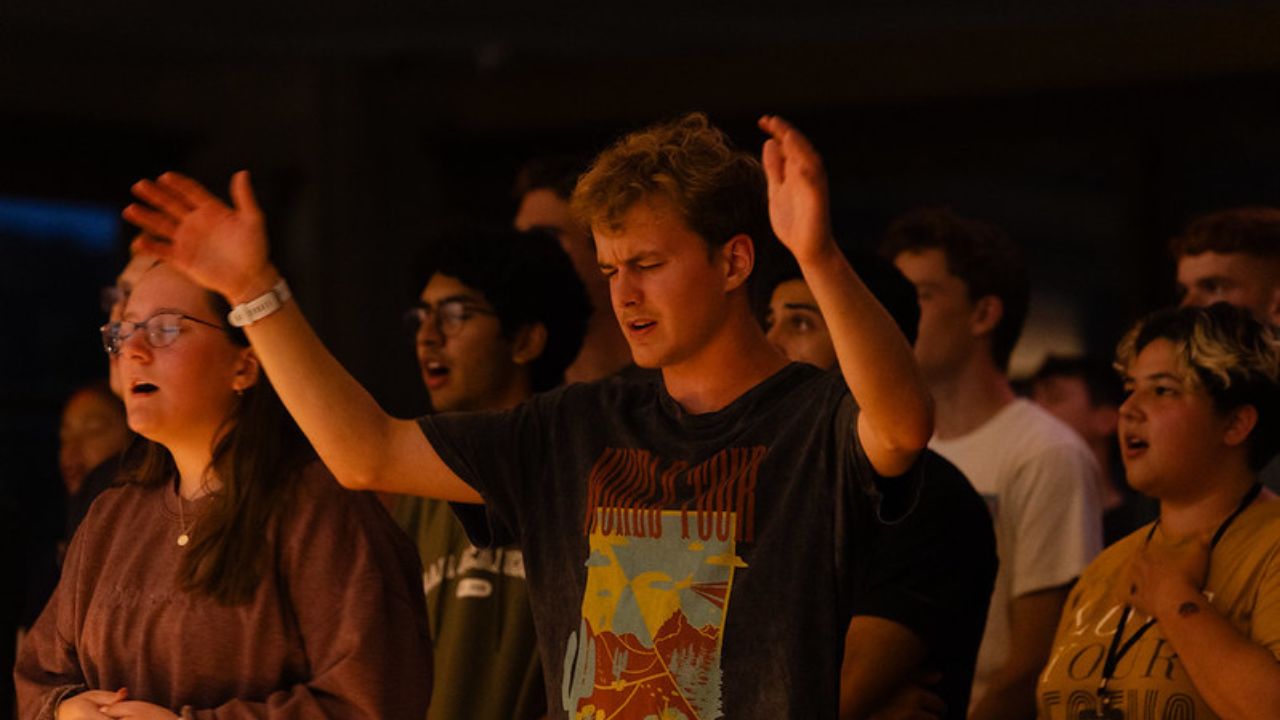
Parenting Through the College Years: Encouraging Faith That Endures
How can we help students hold onto — or even discover — their faith in college? How can parents be a part of this?
Abundant Blessings: 8 Churches Near Geneva
We know that finding a local "home-away-from-home" church is important for students! There are many excellent churches nearby — here's a closer look at eight churches within a 30 min. drive from campus.
Encouraging Children to Trust the Bible
If we could sum up everything we want for our children, wouldn’t it be that they would find the Lord Jesus Christ to be their very life? If our answer is “Yes and amen!” then we must lead them to trust the Bible with their very lives. Read more from Bible professor Rut Etheridge.

Marriage Isn’t Rehab for Sexual Sin
In an article originally published by The Gospel Coalition, Bible professor Rut Etheridge shares on the distortion caused when marriage is viewed as the answer to sexual sin.
How Sweet Are Your Words: Geneva’s Cover to Cover Bible Reading Project
From February 19-26, the Bible was read cover to cover across campus. Students, faculty, and staff participated in reading aloud and listening to the word of God.
Request Information
Learn more about Geneva College.
Have questions? Call us at 724-847-6505.

 Online Course Login
 myGeneva Student Portal

© Geneva College | All rights reserved