




Educational Objectives
Preamble: We encourage our students and graduates to make choices and commitments "for faithful and fruitful service to God and neighbor." For all engineering graduates, we have the following objectives:
-
Embrace a Christian worldview - understanding the science and technology relevant to their fields and practicing biblical ethics as they perform their work and interact effectively with diverse teams of people.
-
Be active members of Christian churches and engaged in church leadership roles, Christian service, and/or community service appropriate to their gifts and opportunities.
- Grow professionally and obtain certifications and/or advanced degrees appropriate to their career path.
Enrollment Data
Number of Degrees Awarded by Concentration |
||||||||||
|
Concentration |
2014-15 |
2015-16 |
2016-17 |
2017-18 |
2018-19 |
2019-20 |
2020-21 |
2021-22 |
2022-23 |
2023-24 |
|
Biomedical |
0 |
0 |
0 |
1 |
4 |
5 |
1 |
4 |
3 |
0 |
|
Chemical |
9 |
5 |
6 |
7 |
12 |
11 |
7 |
5 |
5 |
2 |
|
Civil |
12 |
8 |
14 |
6 |
18 |
20 |
15 |
8 |
6 |
10 |
|
Computer |
1 |
3 |
3 |
1 |
3 |
3 |
2 |
4 |
2 |
3 |
|
Electrical |
5 |
3 |
3 |
4 |
7 |
12 |
5 |
5 |
1 |
4 |
|
Environmental |
7 |
2 |
4 |
4 |
5 |
5 |
3 |
2 |
1 |
0 |
|
Interdisciplinary |
0 |
0 |
0 |
1 |
0 |
0 |
1 |
0 |
0 |
1 |
|
Mechanical |
13 |
18 |
24 |
25 |
17 |
17 |
16 |
17 |
11 |
10 |
|
Undecided |
0 |
0 |
0 |
0 |
0 |
0 |
0 |
0 |
0 |
0 |
|
Total |
47 |
39 |
54 |
49 |
66 |
73 |
50 |
45 |
29 |
30 |
*All engineering students are enrolled in the same program, a general engineering program that leads to a Bachelor of Science in Engineering (BSE) degree. Within the BSE program, students choose from eight concentrations.
Enrollment by Concentration |
||||||||||
|
Concentration |
2014-15 |
2015-16 |
2016-17 |
2017-18 |
2018-19 |
2019-20 |
2020-21 |
2021-22 |
2022-23 |
2023-24 |
|
Biomedical |
3 |
10 |
18 |
21 |
15 |
17 |
12 |
12 |
10 |
9 |
|
Chemical |
30 |
39 |
42 |
39 |
23 |
19 |
14 |
10 |
10 |
8 |
|
Civil |
44 |
58 |
65 |
73 |
64 |
49 |
36 |
35 |
50 |
45 |
|
Computer |
12 |
17 |
16 |
13 |
9 |
5 |
4 |
5 |
4 |
6 |
|
Electrical |
18 |
22 |
28 |
29 |
26 |
22 |
11 |
8 |
10 |
12 |
|
Environmental |
12 |
16 |
13 |
16 |
16 |
11 |
8 |
7 |
7 |
7 |
|
Interdisciplinary |
1 |
1 |
1 |
0 |
3 |
2 |
0 |
0 |
2 |
4 |
|
Mechanical |
93 |
99 |
100 |
85 |
69 |
60 |
59 |
52 |
49 |
54 |
|
Undecided |
10 |
11 |
0 |
1 |
1 |
2 |
0 |
0 |
0 |
0 |
|
Total |
223 |
273 |
283 |
277 |
226 |
187 |
144 |
129 |
142 |
145 |
*All engineering students receive the same degree, Bachelor of Science in Engineering (BSE). Their concentrations are shown on their transcripts. A few students have completed the requirements for more than one concentration. To avoid double-counting, these students have been counted by their first concentration in the table above.
Pinkerton Center for Technology Development
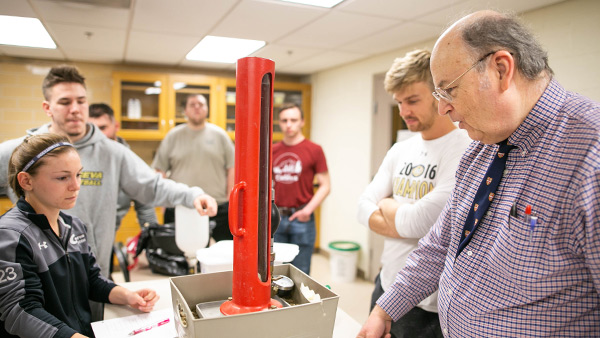
 The Pinkerton Center for Technology Development (PCTD) at Geneva College provides a mechanism whereby the engineering and other technical resources at the college are made available to organizations that do not have the personnel or resources to investigate promising new ideas in technology related areas. The focus of this program is to provide engineering or technical support for small organizations, companies, or entrepreneurs in this geographical region. This is accomplished through the collaborative efforts of our science and engineering students and their instructors in a project based learning environment.
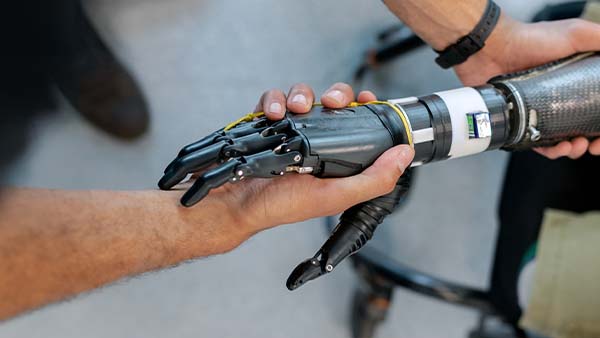
Geneva engineers often work with industrial and governmental clients through the PCTD. Students have participated in the research, development and design of a variety of projects including enhancing the reliability of an artificial heart pump, designing a virtual reality system and conducting the seismic retrofitting of an existing bridge.
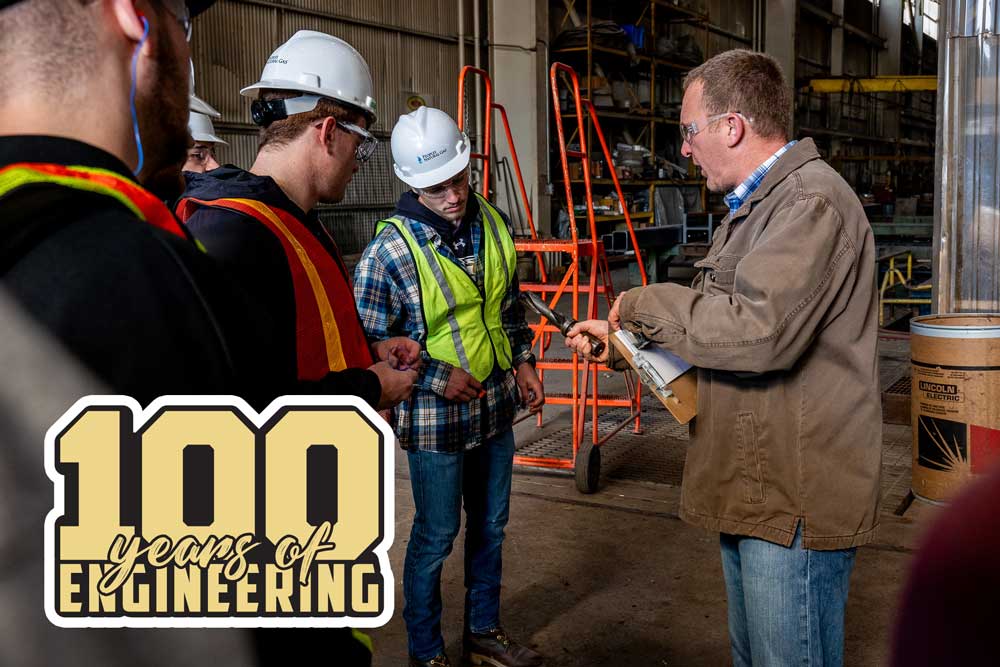
Engaging Local Industry
Bringing the factory to the classroom
- Industry-sponsored senior design and class projects
- Faculty research and consulting
- Industry experts invited as guest lecturers
Bringing the classroom to the factory
- Plant tours
- Service-learning opportunities
- Internship/independent studies
Student Outcomes
Upon successful completion of the engineering program, graduates will have achieved the following outcomes:
- an ability to identify, formulate, and solve complex engineering problems by applying principles of engineering, science, and mathematics.
- an ability to apply engineering design to produce solutions that meet specified needs with consideration of public health, safety, and welfare, as well as global, cultural, social, environmental, and economic factors.
- an ability to communicate effectively and ethically with a range of audiences.
- an ability to recognize ethical and professional responsibilities in engineering situations and make informed judgments, which must consider the impact of engineering solutions in global, economic, environmental, and societal contexts.
- an ability to function effectively on a team whose members together provide leadership, create a collaborative and inclusive environment, establish goals, plan tasks, and meet objectives.
- an ability to develop and conduct appropriate experimentation, analyze and interpret data, and use engineering judgment to draw conclusions.
- an ability to acquire and apply new knowledge as needed in social and professional spheres, using appropriate learning strategies.
- an understanding of the biblical concept of calling, particularly of the calling to be an engineer
- an understanding of the relationship between science, technology, and a Christian worldview









 Online Course Login
 myGeneva Student Portal
